Waking at 3am with the duvet kicked off, your skin too warm and your sleep already broken, is frustrating in a very specific way. If you are asking what helps with night overheating, the answer is rarely one dramatic fix. It is usually a handful of small changes that lower your sleep temperature, reduce trapped heat, and make it easier for your body to stay settled through the night.
For most people, overheating is not just about a hot room. It is often a mix of warm bedding, less breathable fabrics, poor airflow, hormonal changes, stress, and a bedroom setup that holds onto heat instead of releasing it. The good news is that cooler sleep often starts with practical, non-clinical adjustments that feel better from the first night.
What helps with night overheating at home
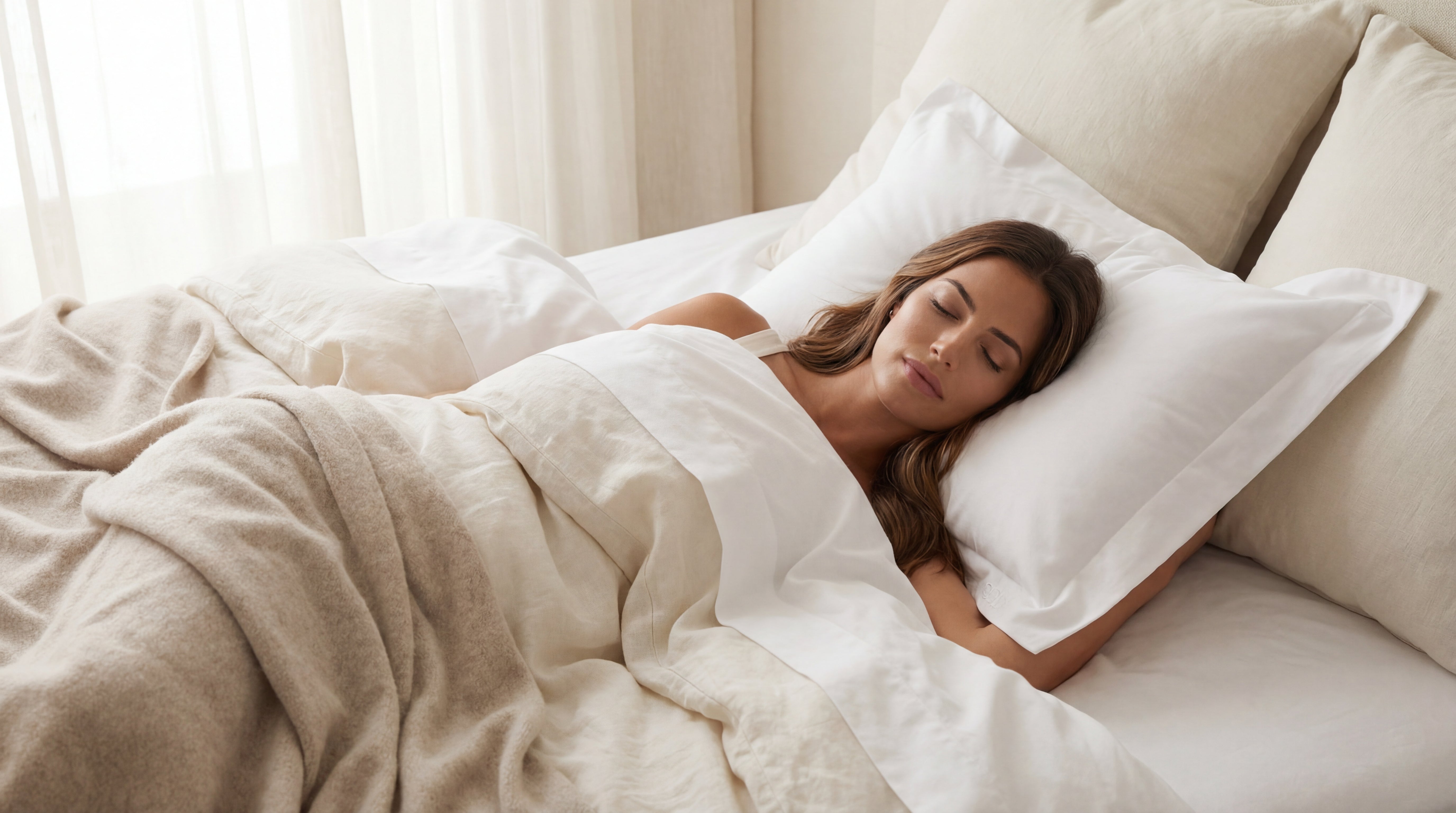
The most effective place to start is your sleep environment. Your body needs to cool slightly to fall asleep and stay asleep. When your bedding, pillow, or bedroom work against that natural process, you are more likely to wake up sweaty, restless, or uncomfortable.
Temperature regulation matters, but so does breathability. A room can be technically cool while your bedding still traps heat around your head, neck, and shoulders. That is why some people sleep badly even with the window open or the heating turned down.
If night overheating happens often, think in layers. The room, the bed, your nightwear, and your pre-sleep routine all contribute. Improving one area can help, but improving several at once usually makes the biggest difference.
Start with the bed, not just the thermostat
People often focus on room temperature first, and that does matter. A cooler bedroom generally supports deeper sleep. But if your pillow holds heat and your bedding is dense or synthetic, the bed itself may be the real issue.
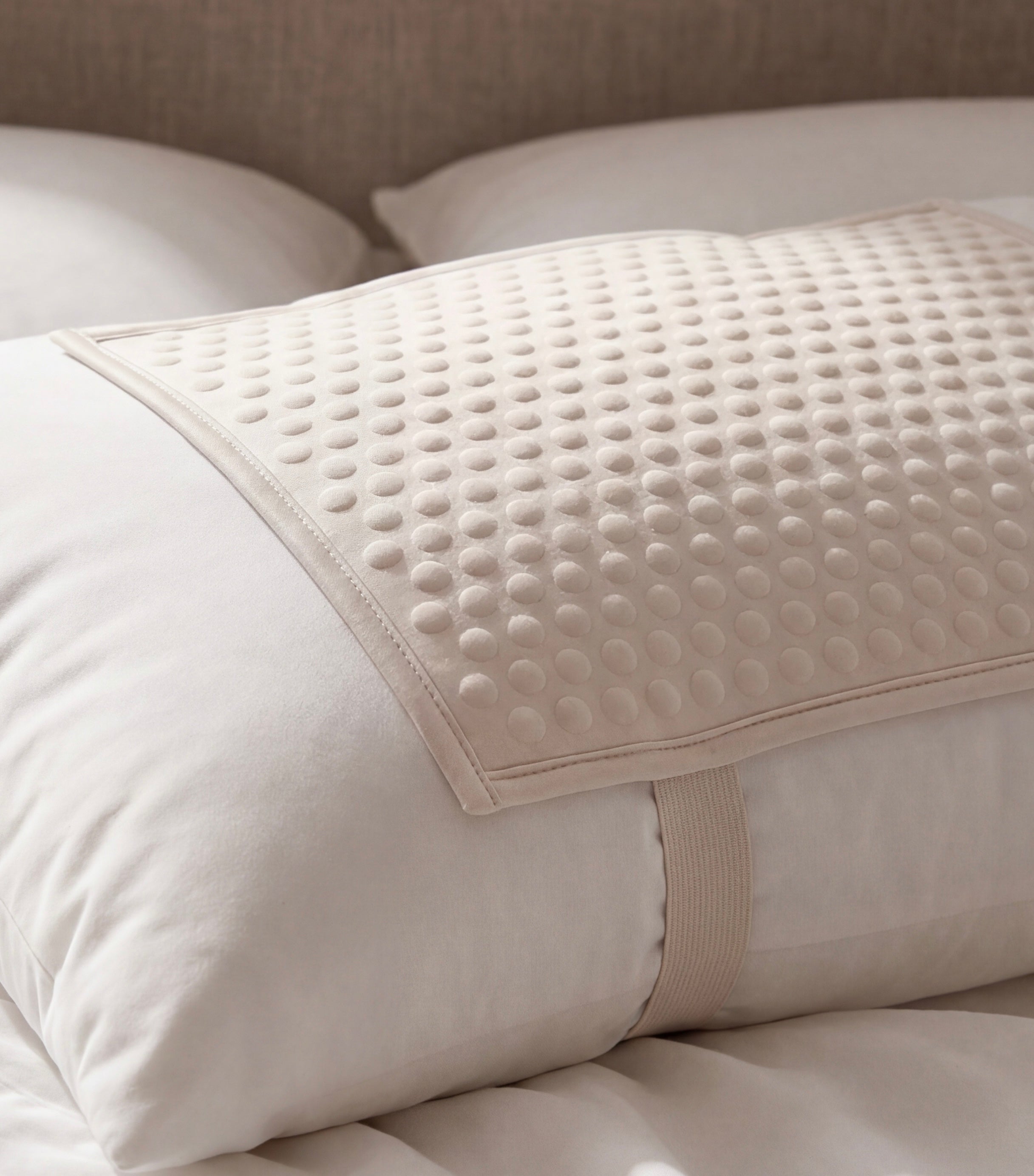
Your head and upper body are often where heat builds fastest. If your pillow feels warm within minutes, it can keep feeding heat back into your body all night. A cooling pillow pad can help create a fresher sleep surface without replacing everything you already own. It is a simple shift, but one that can noticeably change how the bed feels when you first lie down and when you wake in the early hours.
Pillowcases also make more difference than many people expect. Breathable fabrics such as bamboo tend to feel cooler and lighter against the skin than heavier, less ventilated options. If your current pillowcase feels clammy by morning, it may be contributing to the problem more than your mattress or duvet.
Why fabric choice changes everything
When overheating is the issue, fabric is not just about softness. It affects airflow, moisture handling, and how much heat sits against the skin.
Synthetic materials can be convenient and affordable, but they often hold warmth and humidity. Natural and breathable fibres usually perform better for hot sleepers because they allow heat and moisture to disperse more easily. That can mean fewer wake-ups and less of that sticky, overtired feeling by morning.
This is especially true around the face and neck, where even slight discomfort can disturb sleep. Choosing cooling, breathable pillowcases and lighter-touch sleep accessories can create a calmer, fresher feel without making your whole bedroom look clinical.
The duvet question matters more than people think
A duvet that is too warm can undo every other effort. Even if the room is cool, a high tog duvet or heat-retaining filling can create a pocket of trapped warmth that builds steadily through the night.
That does not always mean sleeping without a duvet. Many people sleep better with some weight and comfort over them. The trick is finding a lighter, more breathable option that still feels cocooning rather than stifling. In warmer months, this might mean switching to a lower tog. If you overheat year-round, it may be worth reassessing your duvet permanently rather than treating it as a seasonal issue.
The same goes for layering blankets. More layers can feel cosy at bedtime but frustrating at 2am. If you are regularly throwing covers off, your bed may simply be running too hot.
What helps with night overheating when hormones are involved
Sometimes the bedroom is only part of the story. Hormonal shifts can make you feel suddenly too warm, even in a well-set-up sleep space. This is common during perimenopause, menopause, pregnancy, and certain points in the menstrual cycle.
In those moments, expecting your room alone to solve everything can be disappointing. What helps most is reducing every avoidable source of heat around you. That means breathable bedding, cooler-touch pillow surfaces, lighter nightwear, and a room that feels fresh rather than stuffy.
There is a difference between solving the cause and easing the experience. If hormones are involved, the aim is often to make overheating less disruptive. You may still run warm, but you can often sleep more comfortably when your environment is working with you rather than against you.
If overheating feels sudden, severe, or out of character for you, it is sensible to speak to a GP. Persistent night sweats can sometimes have medical causes that deserve proper attention.
Small evening habits can make a big difference
Your body temperature is shaped by what happens before bed as well as during sleep. Late exercise, alcohol, spicy food, heavy meals, and a hot bath taken too close to bedtime can all leave you feeling warmer once you get into bed.
That does not mean giving up every evening pleasure. It means noticing your patterns. Some people are fine with a glass of wine at dinner but sleep badly if they drink later. Others find a warm shower early in the evening relaxing, but a very hot bath just before bed leaves them flushed and restless.
Stress can also feed the cycle. When your nervous system feels activated, you may feel physically warmer and less able to settle. A cooler room helps, but so does a gentler wind-down with less screen time, softer lighting, and a more consistent bedtime.
Light, heat, and disrupted sleep often come together
People who overheat at night often wake more easily to other disturbances too. Once you are half-awake from feeling too warm, early morning light, street noise, or physical discomfort can fully pull you out of sleep.
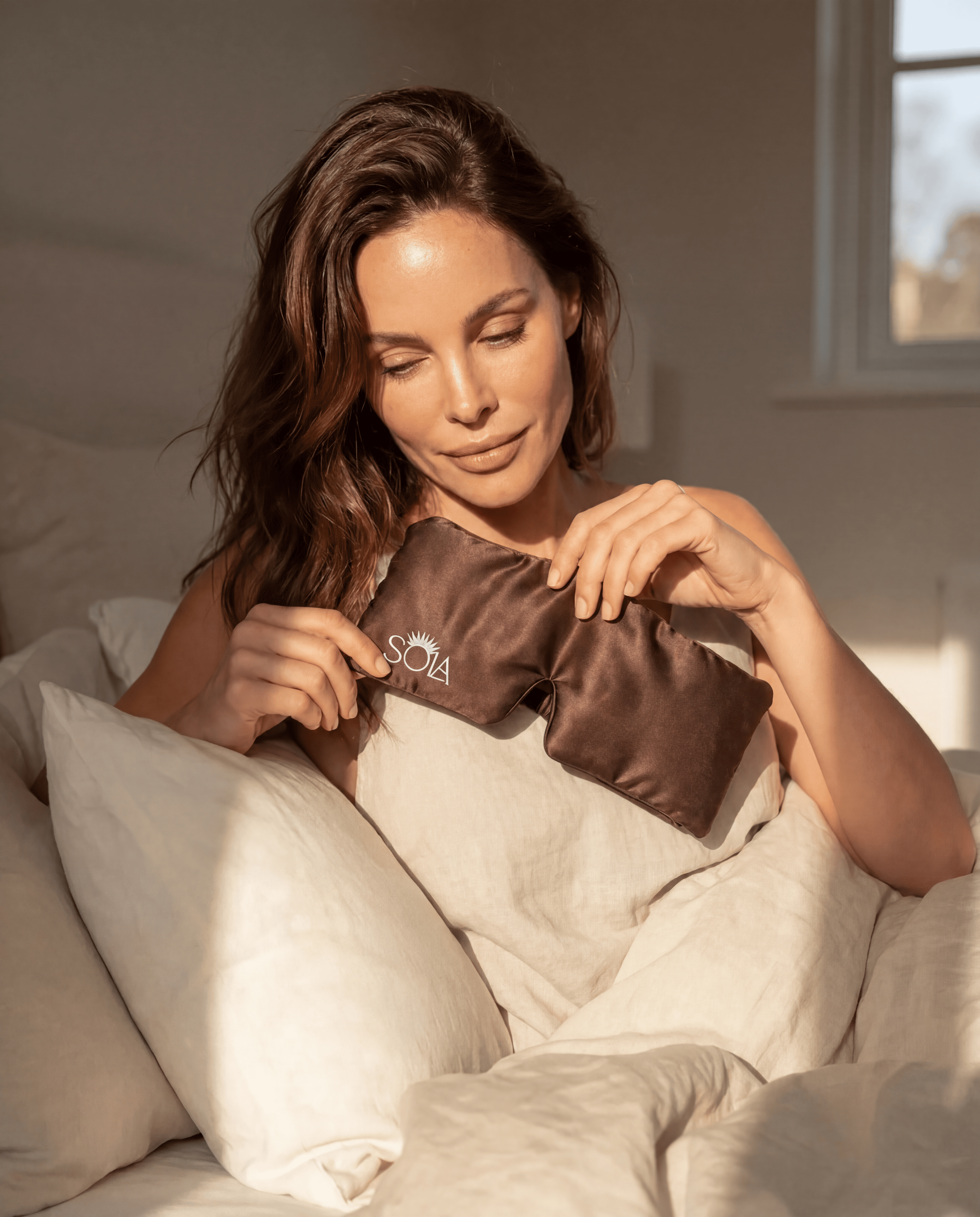
That is why a well-designed sleep environment works best as a whole. Cooling elements matter, but so do darkness and comfort. A silk sleep mask, for example, does not lower body temperature directly, but it can help protect sleep once you have cooled down enough to drift off again. Better sleep is rarely about one perfect product. It is about removing multiple points of disruption.
The easiest changes to try first
If you want results quickly, begin with what touches your body most closely. Change the pillow surface, reassess your bedding, and choose lighter nightwear. Then look at airflow and room temperature.
A fan can help, especially in warmer weather, but airflow works best when your bedding is breathable enough to let that cooling effect reach you. If you are wrapped in heat-trapping materials, moving air can only do so much.
It is also worth keeping your bedroom as uncluttered and calm as possible. Heavy fabrics, thick throws, and excess layers may look inviting but can add to the sense of warmth. A cooler bedroom often feels visually lighter too.
For travellers, shift workers, or anyone sleeping at irregular times, portable cooling solutions can be especially useful. You may not always control the heating, the season, or the room itself, but you can control what you sleep on and what sits against your skin.
When it is time to upgrade, choose targeted comfort
If you have already tried lowering the thermostat and cracking open a window, but still wake too warm, it may be time to focus on materials rather than temperature alone. This is where curated sleep products can earn their place.
A cooling pillow pad, breathable bamboo pillowcases, and light-blocking accessories are not about adding more to your routine. They are about refining it. Better sleep tends to come from fewer interruptions, less heat, and a bedroom that feels intentionally set up for rest.
At Sola Wellness, that is the thinking behind every product - practical comfort, cooler sleep, and fewer reasons to wake up. Not complexity. Just a better night, made easier.
Sometimes what helps with night overheating is not a dramatic overhaul. It is the quiet relief of getting into bed and feeling that everything around you is lighter, cooler, and easier to sleep in.