At 5am, the room can look bright long before your alarm says it is time to be awake. That is exactly when a sleep mask for early morning light stops feeling like a small extra and starts feeling essential. If sunrise pulls you out of sleep too soon, the right mask can protect those last valuable sleep cycles and help your morning begin on your terms.
Early light is one of the most common reasons people wake before they feel ready. It happens in summer, in city bedrooms with thin curtains, during travel, and in homes where the light seems to find every gap around the blinds. For light sleepers, even a soft glow can be enough to shift the body towards wakefulness.
Why early morning light affects sleep so easily
Your brain reads light as a signal. When daylight reaches your eyes, it tells your body that night is ending. That is helpful when you want to wake naturally, but less helpful when the sun arrives before your ideal wake time.
This is why early morning brightness can leave you feeling as though you have slept enough when, in reality, your sleep has simply been interrupted. The final stretch of the night matters. It is often where sleep feels lighter, dreams are more frequent, and outside light has the best chance of cutting through.
For some people, blackout curtains are enough. For others, they are only part of the solution. Curtains cannot travel with you, they do not help with light leaking around the edges, and they do not solve the problem if your partner wants the curtains open earlier than you do. A sleep mask creates darkness where it matters most.
What a sleep mask for early morning light should actually do
Not every mask blocks light properly. Some soften brightness but still let light in around the nose or cheeks. That can be enough to wake a sensitive sleeper.
A good sleep mask for early morning light should create true blackout coverage without feeling heavy or restrictive. It should sit close enough to prevent light leakage, but not so tightly that it presses into your face or shifts during the night. Comfort matters just as much as darkness, because an uncomfortable mask becomes another sleep disruption.
Material also changes the experience. Soft, smooth fabrics feel calmer against the skin and are less likely to cause friction around the delicate eye area. If you already run warm at night, breathable materials matter even more. A mask that traps heat may block light well but still leave you restless.
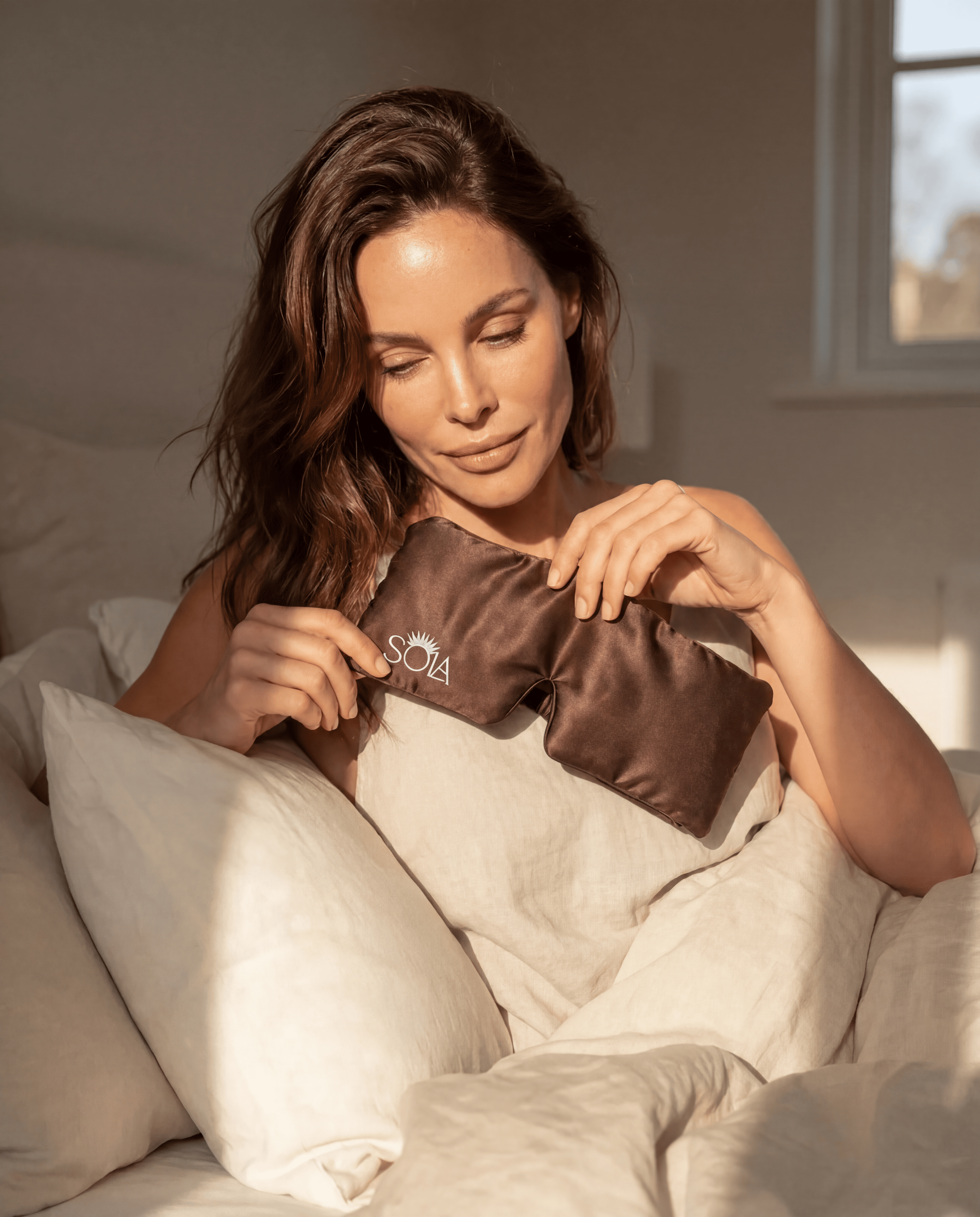
This is where premium design makes a visible difference. A well-made silk sleep mask, for example, offers blackout support with a softer, more breathable feel. It can turn a functional product into something that genuinely improves your bedtime routine.
The difference between blackout and basic coverage
Many people buy a sleep mask once, find it disappointing, and decide they are simply not mask people. Usually, the problem is not the concept. It is the fit.
Basic masks often lie flat across the face without properly contouring to it. If the bridge of the nose is not covered well, early light slips in immediately. If the strap is too loose, the mask moves. If it is too tight, you notice it all night.
True blackout is more considered. It depends on shape, softness, strap security, and how the mask works with your sleeping position. Side sleepers often need a mask that stays stable without bunching. Back sleepers may tolerate a slightly fuller design. If you move around a lot, slippage becomes one of the first things to check.
The best mask is not necessarily the thickest one. It is the one that blocks light consistently and still feels easy to wear for a full night.
When a sleep mask helps most
Some sleep problems are occasional. Others are built into your routine. A mask tends to be most helpful when light disruption is predictable.
Summer is the obvious example. In the UK, sunrise can arrive far earlier than your body clock would like. If you are waking too soon between late spring and early autumn, a mask can add back the darkness your bedroom loses.
It is also useful for shift workers and anyone sleeping at unusual hours. Daytime sleep is often lighter to begin with, so reducing light exposure can make it easier to fall asleep and stay asleep.
Travel is another big one. Hotel curtains vary wildly, flights are bright when you want rest, and unfamiliar rooms often feel less sleep-friendly than home. A mask is one of the simplest ways to make your environment feel more consistent.
Even at home, it can help if you share a room with someone on a different schedule. One person opening curtains, checking a mobile phone, or switching on a lamp can end the night for both people. A mask gives you a little more control.
How to choose the right sleep mask for early morning light
Start with fit before anything else. If the mask does not seal out light comfortably, the rest matters less. Look for a shape that covers well around the nose and sits securely without digging in.
Next, think about fabric. If your skin is sensitive, smooth materials feel gentler and more comfortable for nightly use. If you overheat easily, avoid anything that feels padded, synthetic, or stuffy. Sleep is rarely improved by products that make you warmer than you already are.
Strap design is worth more attention than most people give it. A poor strap can twist, loosen, catch in your hair, or create pressure. A well-designed one disappears into the background.
Then consider your sleep habits. Side sleepers need something low-bulk. Travellers may want a mask that packs easily and still holds its shape. If you use cooling bedding or build your routine around a calm, sensory sleep environment, choose a mask that complements that experience rather than working against it.
Why comfort is not a bonus
There is a tendency to treat sleep accessories as purely practical. Block the light. Job done. But the products you use at night have to earn their place through comfort.
If something feels scratchy, hot, tight, or awkward, your body stays aware of it. That low-level awareness can be enough to disturb sleep, especially if you are already a light sleeper. The most effective sleep products are the ones you stop noticing.
That is why softer textures, breathable construction, and a gentle fit matter so much. They do not just make the mask feel nicer. They make it easier to wear consistently, and consistency is where better sleep tends to come from.
For many people, a sleep mask works best as part of a wider sleep environment. Darkness helps, but so does staying cool and physically comfortable. If your room is bright and you also wake hot, solving only one part of the problem may not completely change how rested you feel. The best results usually come from reducing several disruptions at once.
Small adjustments that make your mask work better
Even a good mask performs better with a few simple habits around it. Clean bedding, a cooler room, and reduced screen glare before bed all support the same goal - a calmer transition into sleep and fewer reasons to wake early.
It also helps to put the mask on before the room is fully bright if sunrise is your main issue. Once light has already reached your eyes and nudged your body towards wakefulness, drifting back off can be harder.
Give yourself a few nights to adjust as well. Some people love a mask immediately. Others need a short settling-in period before it feels natural. If the material is soft and the fit is right, that adjustment is usually brief.
Sola Wellness approaches sleep this way - not as one dramatic fix, but as a set of thoughtful choices that make rest feel cooler, darker, softer, and less interrupted.
Is a sleep mask enough on its own?
Sometimes yes. If early morning light is the main thing waking you, a well-fitted mask can make a noticeable difference very quickly.
But there are trade-offs. If you dislike anything touching your face, it may take trial and error to find a design you can sleep in comfortably. If your bedroom is also too warm, too noisy, or physically uncomfortable, the mask may help without fully solving the problem. Sleep tends to be cumulative that way.
That does not make a mask less worthwhile. It simply means expectations should be realistic. Think of it as one highly effective tool for one very common disruption.
When it is the right tool, the effect can feel surprisingly immediate. Darker mornings. Fewer premature wake-ups. A better chance of reaching the sleep your body was still trying to finish.
If sunrise keeps arriving before you are ready, a sleep mask is not indulgent. It is practical. And sometimes the most practical sleep upgrade is the one that brings back the dark.