If you regularly wake up warm, restless or irritated long before your alarm, your bedroom may be working against you. This guide to cooler sleep environments is designed for anyone who wants deeper, more uninterrupted rest without turning bedtime into a science project.
A cooler sleep space does more than feel comfortable. It helps your body settle, stay asleep for longer and move through the night with fewer disturbances. For hot sleepers, light sleepers and anyone sharing a bed, small changes in temperature, texture and light can make a noticeable difference.
Why a cooler bedroom changes the way you sleep
Your body naturally lowers its core temperature as part of the process of falling asleep. When your room feels stuffy, your bedding traps heat or your pillow stays warm against your skin, that process can feel harder than it should. You may still fall asleep, but staying asleep is often where the problem starts.
Overheating tends to show up in familiar ways. You kick the duvet off, flip the pillow over for the cool side, wake in the early hours and struggle to settle again. Sometimes the issue is not extreme heat. It is simply too much insulation, too little airflow and too many sleep disruptors layered together.
This is where a more intentional sleep environment helps. Cooler, breathable materials can support your natural temperature rhythm. Better light control can reduce early waking. Softer, less oppressive textures can help your body relax instead of constantly adjusting.
The guide to cooler sleep environments starts with heat control
Temperature is the obvious place to begin, but the answer is not always to make the room as cold as possible. Comfort is personal. Some people sleep best in a noticeably cool room, while others need gentle warmth with breathable bedding. The goal is balance - not battling the climate all night.
Start with the room itself. If your bedroom overheats during the day, close curtains before direct sunlight builds up. Open windows when outside air is cooler, especially in the evening or early morning. If you use heating, turn it down well before bed rather than waiting until the room feels too warm.
Then look at what sits closest to your body. A mattress can hold heat, but bedding often has the most immediate effect. Heavy fabrics, dense covers and synthetic finishes can trap warmth around the head, neck and shoulders. If that sounds familiar, changing your top layer or pillow setup may help faster than changing the whole bed.
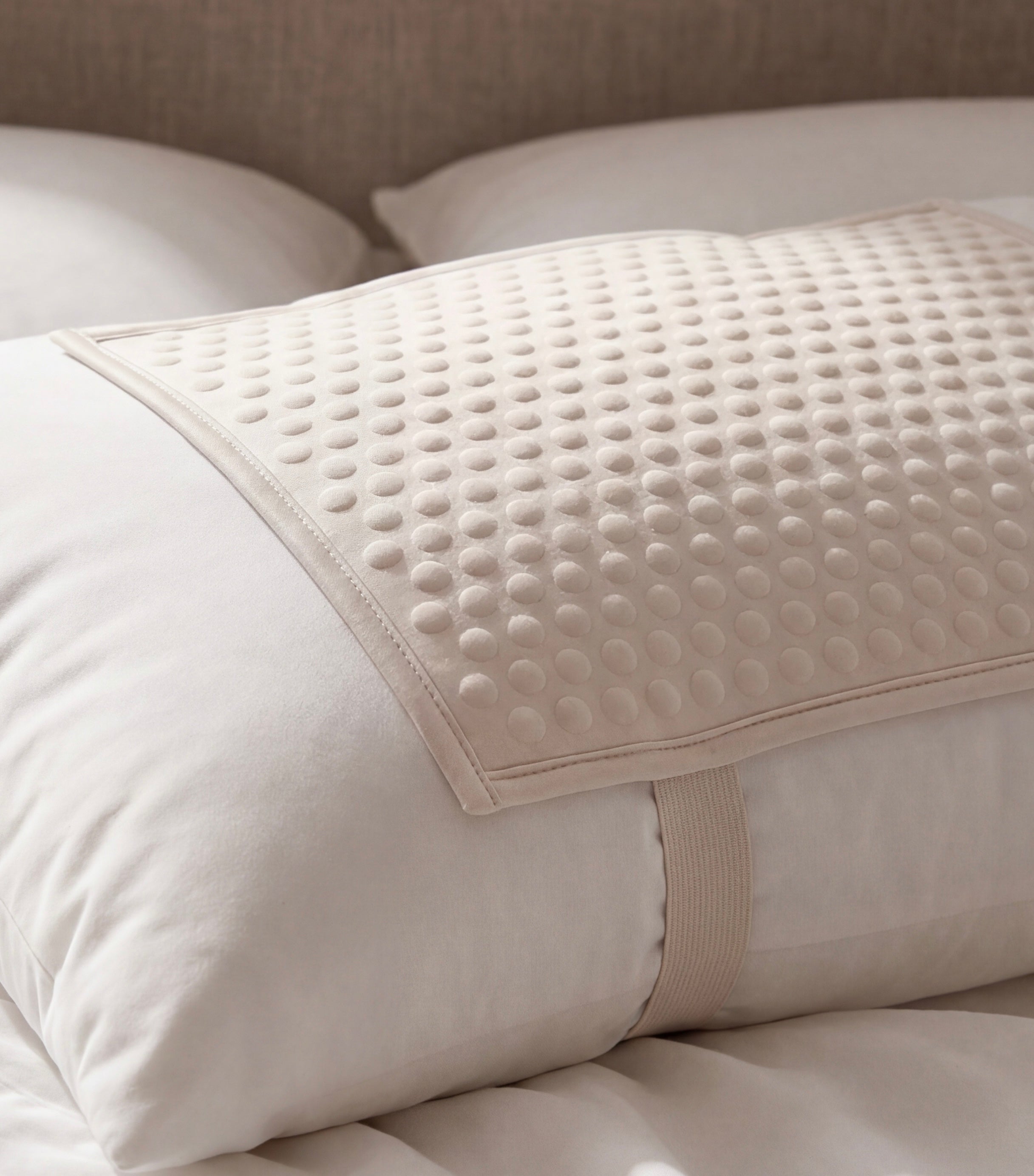
A cooling pillow pad can be especially effective because heat tends to collect where your head rests. If your pillow feels warm within minutes, it can keep nudging you out of deeper sleep. Adding a cooler surface creates relief right where you notice it most.
Fabrics matter more than most people think
The feeling of your bedding matters as much as the temperature reading on the wall. Some materials look soft but hold heat. Others feel cool at first touch and stay more breathable across the night.
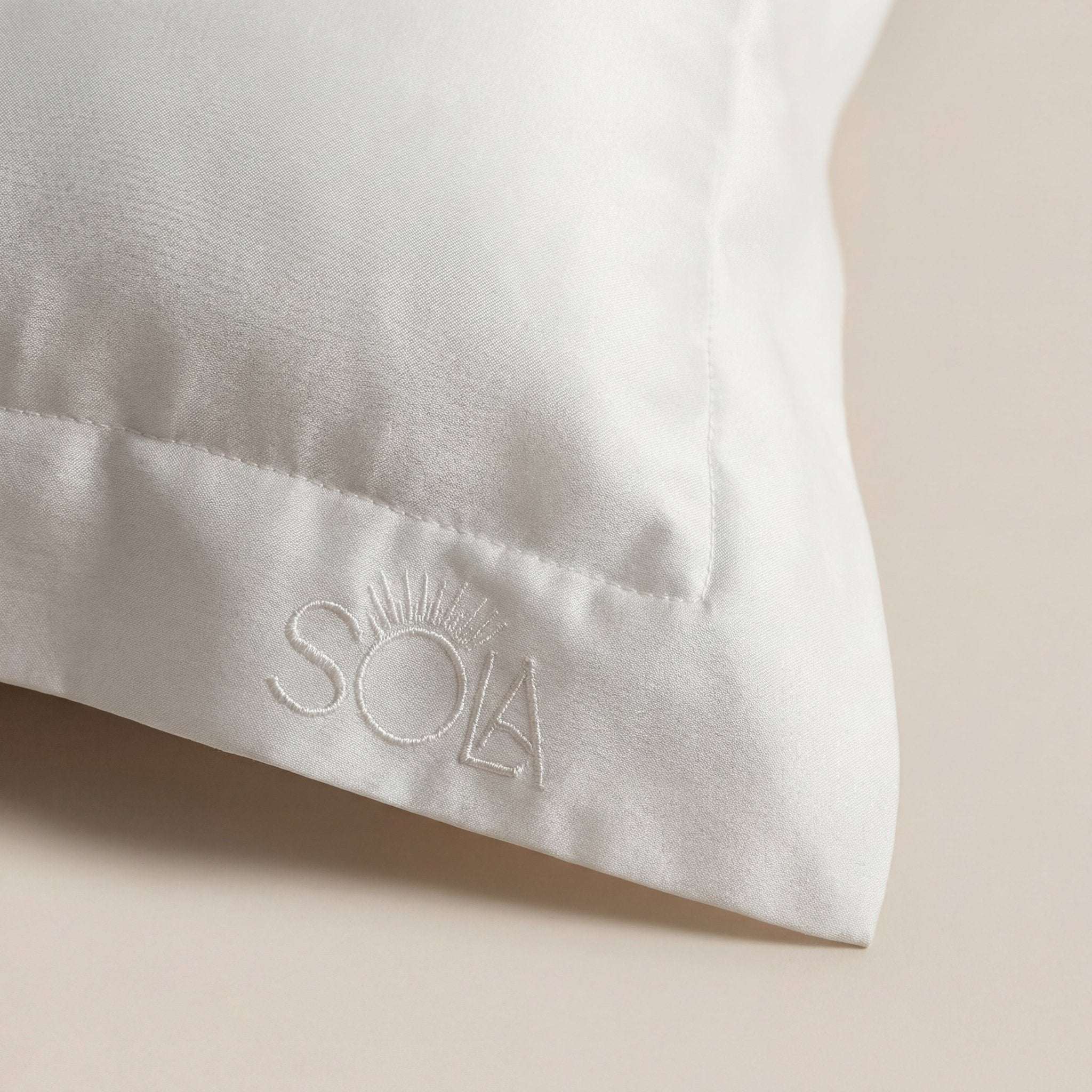
Natural and moisture-managing fabrics usually work better for hot sleepers than dense synthetic blends. Bamboo pillowcases, for example, can feel smoother, lighter and more breathable against the skin. That matters when you are trying to stay comfortable without constantly shifting position.
There is also a sensory side to this. Cooler sleep environments are not only about reducing heat. They are about reducing irritation. Rough textures, clammy fabrics and heavy layers can make you more aware of your body when you should be drifting off. A softer, cleaner feel can make bedtime feel calmer from the start.
If your room is only occasionally warm, you may not need to replace everything. Swapping pillowcases, adding a cooling layer or choosing lighter seasonal bedding can be enough. If you sleep hot year-round, a more consistent set of breathable sleep accessories is often worth it.
Light and temperature often disrupt sleep together
A room can feel cool enough and still interrupt your sleep if light reaches you too early or too often. Dawn light, street lighting and illuminated devices can all pull you into lighter sleep, especially in summer when mornings begin early.
That is why a true guide to cooler sleep environments should include darkness as well as airflow. Better sleep usually comes from a combination of conditions, not a single fix. When your room is cooler, darker and quieter, your body has fewer reasons to surface from rest.
A silk sleep mask is a simple example of comfort meeting function. It blocks light without the heavy, scratchy feel that can make some masks uncomfortable. Silk also feels gentle on the skin, which matters if you are sensitive to pressure or heat around the face. For shift workers, travellers or anyone dealing with bright mornings, that extra layer of blackout can be the difference between broken sleep and proper recovery.
Comfort should feel effortless, not fussy
Many people put off improving their bedroom because they assume it means replacing everything or following a strict routine. In reality, the best sleep environment changes are often the easiest to keep.
Think in terms of friction. What makes your night feel interrupted, sticky or unsettled? It may be a pillow that warms too quickly, bedding that feels heavy around the legs or a room that never quite cools down after a hot day. When you identify the exact point of discomfort, the right adjustment becomes clearer.
For some, that means sleeping with fewer layers and using a breathable pillowcase. For others, it means blocking early light and creating a bed that feels cooler on contact. If you share a bed, there may be compromise involved. One person may run cold while the other overheats, so the solution might be separate coverings or adjustable layers rather than one thick duvet.
There is no perfect setup for everyone. There is only the setup that helps you stay comfortable for longer.
How to build a cooler sleep environment that lasts
A bedroom that supports sleep should be easy to return to every night. That is why simplicity matters. If your setup is too complicated, you are less likely to keep it consistent.
Start by editing, not adding. Remove the layer you never need. Store the heavy winter bedding when the season changes. Keep surfaces around the bed clear so the room feels calmer. Heat and visual clutter are different problems, but both can make a bedroom feel more stimulating than restorative.
Then focus on your highest-impact items. Your pillow area, eye area and top bedding layers usually shape your comfort most directly. That is one reason curated sleep accessories can work so well - they target the places where disruption starts. Sola Wellness takes that focused approach, helping customers improve sleep through products designed to cool, soften and darken the sleep space without unnecessary complexity.
If you like your bedroom to feel elevated as well as functional, choose pieces that blend into your routine rather than shouting for attention. Premium sleep products should feel intuitive. You notice the result, not the effort.
Small habits that support a cooler night
What you do before bed can affect how warm you feel once the lights are out. A very hot shower, late alcohol, a heavy meal or intense evening exercise can leave your body feeling more activated and warmer for longer. That does not mean you need a perfect routine, only that timing can matter.
Try giving your room a little time to settle before bed. Let cooler evening air in if possible. Choose sleepwear that breathes. Keep your mobile phone charging away from the pillow so both light and low-level heat stay at a distance. If you often wake overheated, notice whether the issue starts with the room, the bedding or your own evening habits.
This kind of awareness is useful because sleep discomfort is rarely caused by one thing alone. It is usually a build-up of small mismatches between your body and your environment.
A bedroom that helps you switch off
The best cooler sleep environments do not feel clinical. They feel quiet, soft and considered. You walk in and your body gets the message that the day is over.
That might mean breathable pillowcases, a cooling pillow layer, proper blackout and lighter bedding that does not cling. It might mean making your bedroom less bright, less stuffy and less overstimulating. However you get there, the result should feel the same: calmer nights and fewer wake-ups.
Better sleep does not always require a dramatic overhaul. Sometimes it starts with one cooler, gentler choice at bedtime - and the relief of finally sleeping through.