A bed can look beautifully made and still feel wrong by 2am. If you wake up warm, restless or tangled in heavy fabric, the issue is often not your routine - it is your material choice. This guide to breathable bedding fabrics is designed to make that choice simpler, so you can build a sleep space that feels cooler, lighter and far more comfortable.
Why breathable bedding matters
Breathable bedding helps heat and moisture move away from the body instead of trapping them around you. That sounds simple, but it changes the whole feel of your night. Better airflow can mean fewer wake-ups, less clamminess, and a bed that feels fresher when you turn the pillow over.
For hot sleepers, this is often the difference between drifting off easily and spending hours throwing off the duvet, then pulling it back on again. Even if you do not think of yourself as someone who overheats, poor airflow can still make sleep feel shallower and less settled.
Breathability is also not just about summer. Central heating, layered bedding and memory foam can all create excess warmth in cooler months. The right fabric helps your bed feel balanced rather than stuffy.
A practical guide to breathable bedding fabrics
Not all breathable fabrics feel the same. Some are crisp and airy. Others are smooth, soft and cool to the touch. The best option depends on how you sleep, what sensations you enjoy, and whether you want a more relaxed or more refined finish.
Cotton
Cotton is often the starting point because it is familiar, versatile and generally breathable. Good-quality cotton allows air to circulate well and feels comfortable across seasons. If you like bedding that feels classic and easy to care for, cotton usually makes sense.
That said, cotton is a broad category. A lightweight percale cotton will feel cooler and crisper than a denser sateen weave, which tends to feel smoother and slightly warmer. So if someone says cotton sleeps cool, they are only partly right. The weave matters just as much as the fibre.
Cotton also absorbs moisture reasonably well, which can help if you feel slightly warm at night. It may not feel as immediately cooling as some other fabrics, but it is dependable and widely appealing.
Linen
Linen has a strong reputation for breathability, and in many cases it earns it. Made from flax, linen allows generous airflow and tends to handle heat very well. It is especially popular with people who sleep hot or want a relaxed, airy bed.
Its texture is part of the appeal, but also part of the trade-off. Linen does not usually feel silky or polished. It has a more casual hand feel and can seem a little coarse if you prefer very smooth bedding. It softens over time, but the look remains more undone than tailored.
For some sleepers, that effortless texture feels luxurious. For others, it never quite feels cosy enough. Breathability alone does not settle the decision.
Bamboo-derived fabrics
Bamboo-derived bedding is often chosen by sleepers looking for softness and cooling comfort together. Depending on how it is made, it can feel smooth, lightweight and noticeably gentle against the skin. This makes it especially appealing if heat and friction are both affecting your sleep.
Many people love bamboo pillowcases because they feel cool without feeling slippery. They can also manage moisture well, which is useful if your pillow is where heat tends to build first. For anyone focused on a calmer sleep surface rather than a purely crisp one, bamboo can be an excellent fit.
It is worth knowing that bamboo fabrics vary. Some feel premium and breathable, while others can feel heavier or overly processed. Quality, weave and finish all affect the result, so the label alone does not tell the full story.
Silk
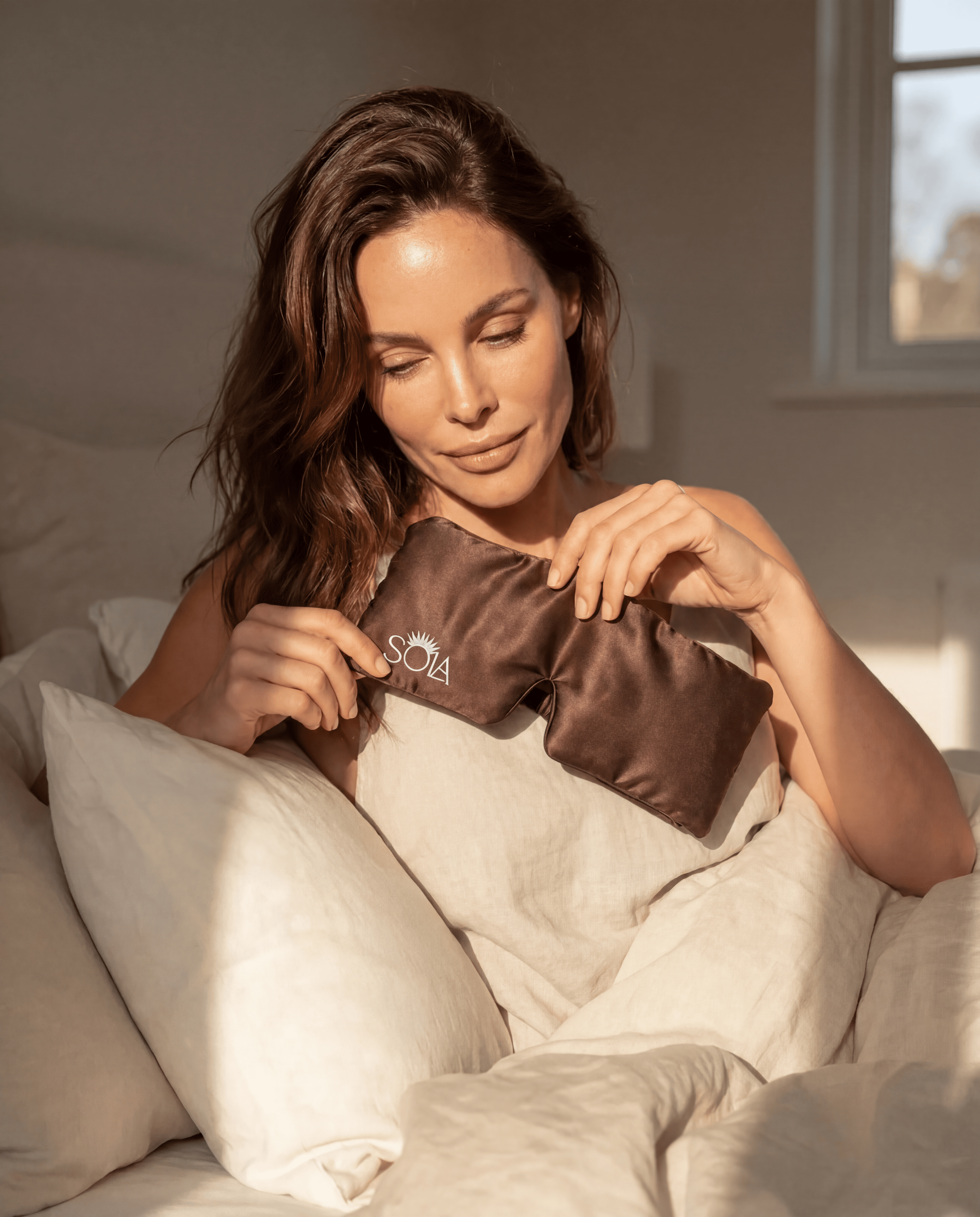
Silk is usually discussed for softness and luxury, but it also has a place in any honest guide to breathable bedding fabrics. It feels naturally smooth and can be comfortable for people who dislike rough or dry-feeling materials on the skin. Around the face and eyes in particular, that smoothness can feel deeply restorative.
Silk does not behave like crisp cotton or airy linen. It is less about that fresh-sheet sensation and more about gentle temperature balance and reduced friction. If your goal is to create a calmer sensory sleep environment, silk can be a smart addition even if it is not the main fabric across your whole bed.
The main trade-off is care and cost. Silk asks for a little more attention, and premium silk will sit at a higher price point. For many, it is best used selectively where comfort matters most.
Tencel and eucalyptus-based fabrics
Tencel and similar eucalyptus-based fabrics are often chosen for their smooth drape and moisture management. They usually feel cool, soft and slightly more fluid than cotton. If you dislike stiff bedding, these fabrics can feel immediately more comfortable.
They tend to suit people who want a clean, elevated feel without the texture of linen or the delicacy of silk. In a warm bedroom, they can help create a fresher sleep surface. Still, as with bamboo, quality differs between products. Some versions feel airy and refined, while lower-quality options may feel less durable over time.
Synthetic fabrics and blends
Polyester and heavy synthetic blends are where many sleep problems begin. They can be affordable and easy to care for, but they often trap heat and hold onto that slightly stuffy feeling through the night. If your bedding makes you sweaty, there is a fair chance synthetic content is part of the reason.
This does not mean every blend is automatically unsuitable. A small amount of synthetic fibre can sometimes improve durability or reduce creasing. But if cooler, uninterrupted sleep is the goal, high synthetic content is rarely the best place to start.
How to choose breathable bedding for your sleep style
The best fabric depends on what is actually disturbing your sleep. If you run hot from head to toe, start with your pillowcase and sheets, because they sit closest to the skin and influence temperature most quickly. If you mainly wake because your bed feels heavy, look at the full combination of fitted sheet, duvet cover and mattress topper rather than one item in isolation.
Texture matters more than people expect. Crisp cotton can feel beautifully fresh to one person and too dry to another. Linen can feel airy and relaxed or slightly too textured. Bamboo and Tencel tend to work well for people who want cooling comfort with a softer finish.
Your bedroom environment matters too. If your room already holds heat, breathable bedding helps, but it may work best alongside targeted cooling layers. A cooling pillow surface, lighter duvet and blackout sleep setup often do more together than any single material can do alone.
What to look for beyond the fabric name
Fabric choice is the foundation, but construction changes the experience. Weave affects airflow. Weight affects warmth. Finish affects how the fabric feels against your skin after repeated washing.
That is why two sets of bedding made from the same fibre can perform completely differently. One may feel light and breathable. Another may feel dense, warm and less responsive. If you are shopping for cooler sleep, focus on the feel and performance, not just the headline material.
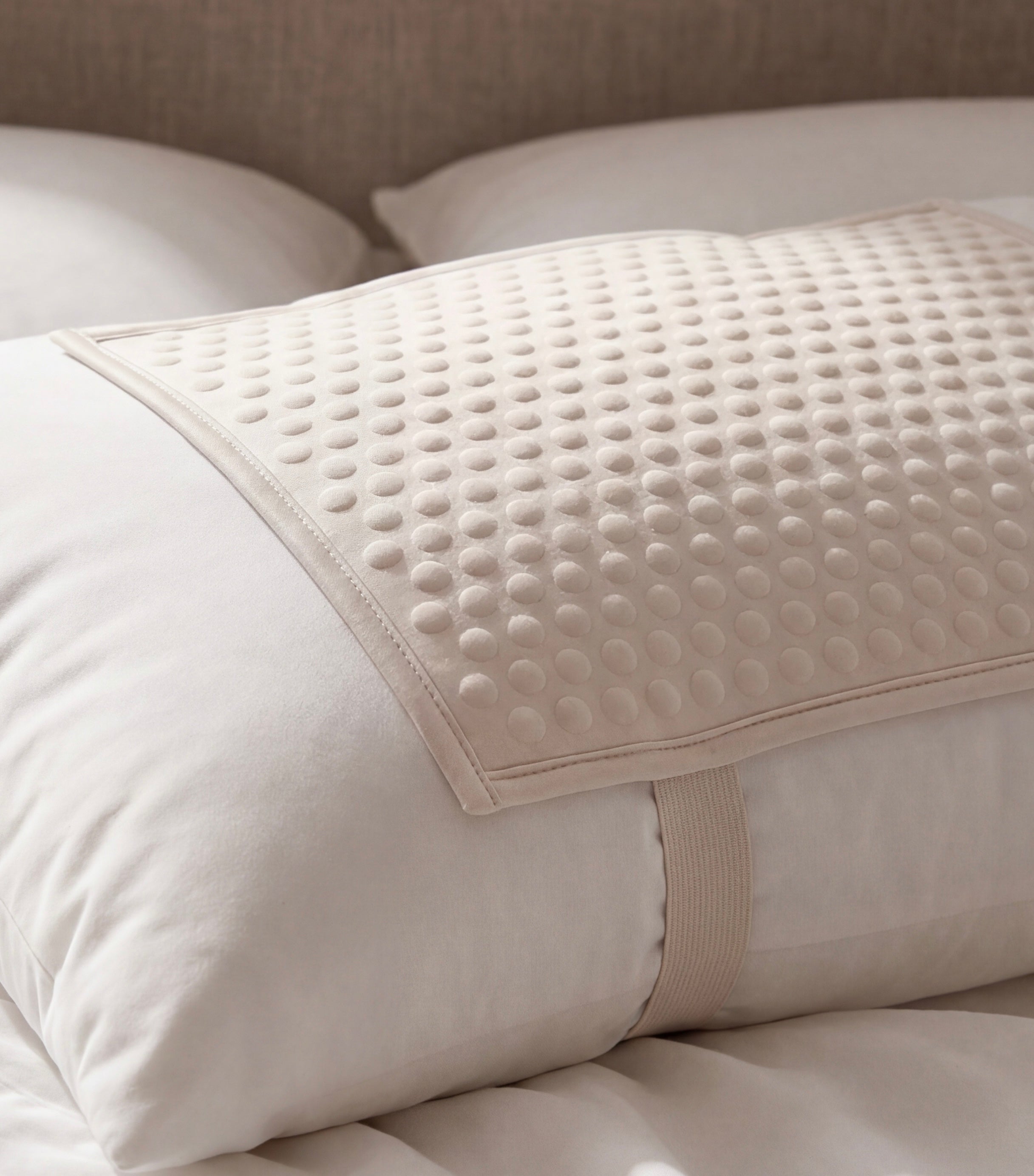
It also helps to think in zones. Your face, neck and upper body often overheat first, which is why pillowcases and pillow pads can have such a noticeable impact. You do not always need to replace every layer at once to feel a real difference.
The most breathable bedding fabrics for hot sleepers
If you sleep especially warm, the most reliable choices are usually linen, lightweight cotton percale, bamboo-derived fabrics and Tencel. Each offers a slightly different kind of comfort. Linen is airy and textured. Percale is crisp and fresh. Bamboo and Tencel feel smoother and softer.
For many people, the sweet spot is not choosing the single coolest fabric possible. It is choosing the one you will genuinely enjoy sleeping in every night. Comfort is not only temperature. It is also softness, movement, weight and the sense that your bed helps you switch off.
That is where a more curated approach works best. Breathable bedding should support the whole sleep experience - cooler skin, calmer senses, less disruption and a bed that feels easy to settle into.
If your current setup leaves you too warm, too aware of the fabric, or too restless to stay asleep, start with the layer you notice most. One better material can change the feel of bedtime faster than you think.