A warm bedroom can turn a normal bedtime into a long, restless night. If you are wondering how to stay cool at night, the answer is rarely one dramatic fix. Better sleep usually comes from a few well-chosen changes that lower heat, reduce discomfort and help your body settle into a calmer rhythm.
Why overheating ruins good sleep
Your body needs to cool down slightly to fall asleep and stay asleep. When your sleep space traps heat, that natural drop in temperature becomes harder. You may drift off, then wake up sticky, unsettled or wide awake at 3am with the duvet kicked to the floor.
That is why overheating often feels so disruptive. It is not only about comfort. Heat can lead to lighter sleep, more wake-ups and that frustrating feeling of never fully switching off. For hot sleepers, summer nights, shared beds and heavy bedding can make the problem even worse.
The good news is that a cooler night usually starts with your environment. Once your bedroom supports sleep instead of fighting it, your whole routine feels easier.
How to stay cool at night starts with your bed
The bed is often where heat builds fastest. If your pillow, duvet and bedding hold onto warmth, you are sleeping inside the problem for hours.
Start with the fabrics closest to your skin. Breathable materials make a noticeable difference because they allow heat and moisture to escape more easily. Bamboo is especially useful for hot sleepers because it feels cooler, lighter and less stifling than many standard pillowcases. If you regularly wake with a warm face or neck, changing your pillow surface can help more than you might expect.
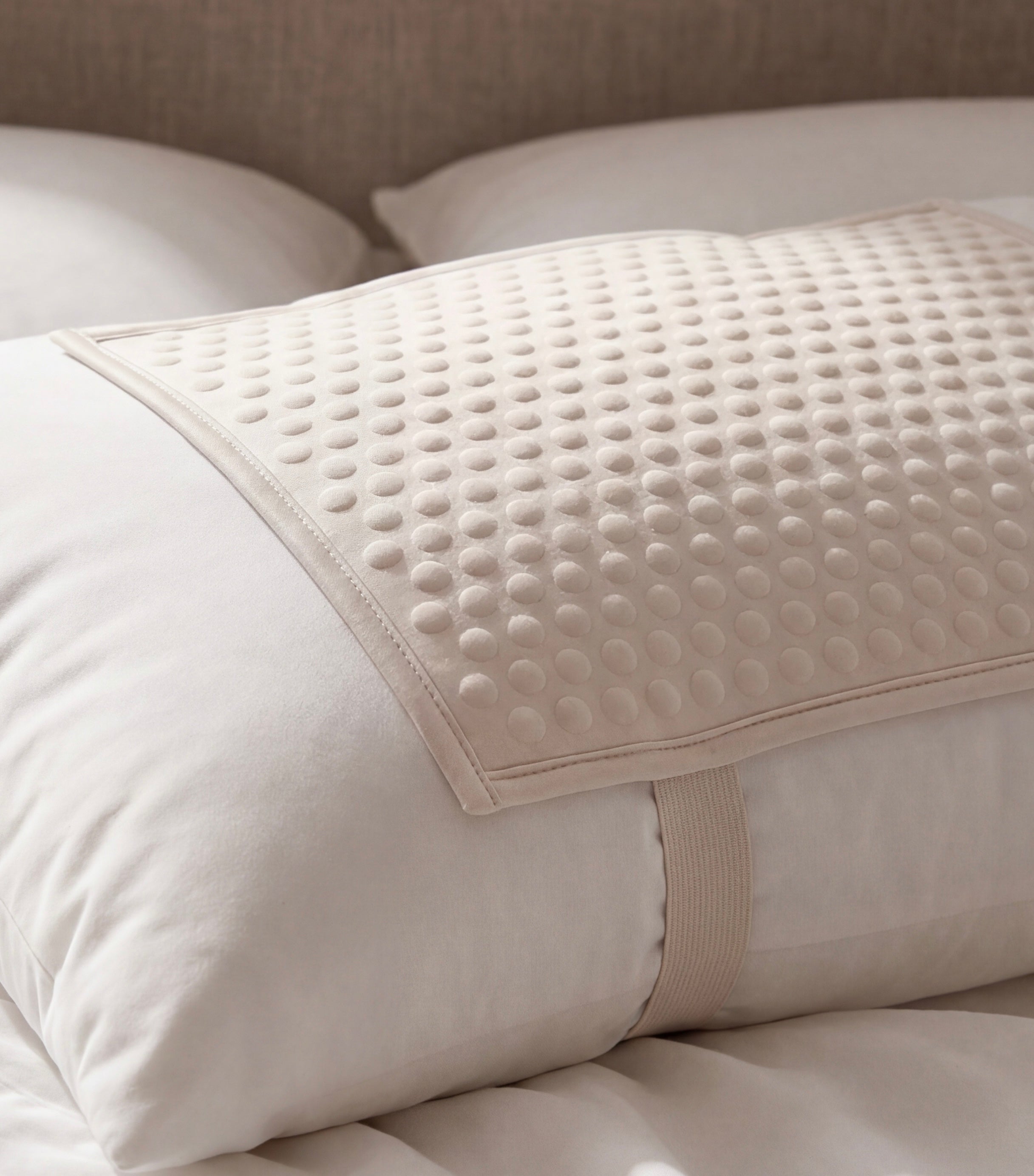
Your pillow matters too. A pillow that traps heat can leave you constantly turning it over for the cool side. A cooling pillow pad can help create a fresher surface without needing to replace everything you already own. This is often a practical middle ground if you want better temperature regulation without overhauling the whole bed.
Then there is the question of layers. Many people try to solve overheating by removing the duvet entirely, but that can backfire if you still like the feeling of being covered. A lighter tog duvet or looser layering often works better than sleeping with nothing on top. Comfort matters. If you feel exposed, you may sleep more lightly even if you are technically cooler.
Keep the room cool before bedtime
A cooler bed helps, but the room itself sets the baseline. If the bedroom has held heat all day, your sleep environment is already working against you by the time you get in.
During warmer weather, close curtains or blinds in the day to reduce direct sunlight. Once the air outside drops in the evening, open windows if it is safe and practical to do so. Cross-ventilation can make a bigger difference than one partially open window, especially in smaller rooms that trap warmth.
Fans are useful, but placement matters. A fan pointed directly at the bed may feel refreshing at first, then too harsh or drying later in the night. Many people sleep better with the air moving across the room rather than straight onto their face. If outside noise is an issue, this is where a quiet fan can earn its place.
If your bedroom is consistently warmer than the rest of your home, look at the small heat sources too. Lamps, chargers, electronics and even leaving the bathroom door open after a hot shower can all nudge the temperature up. None of these things alone will cause a sleepless night, but together they add to the overall warmth.
Dress for cooler, calmer sleep
What you wear to bed can either help release heat or trap it where you least want it. Tight-fitting sleepwear, synthetic fabrics and heavy loungewear can all make your body feel warmer than the room actually is.
Loose, breathable nightwear usually works best. Natural or moisture-managing fabrics can help your skin stay drier, which often feels just as important as feeling cool. If you are between options, choose softness and airflow over thickness.
There is also an individual element here. Some people sleep better in lightweight pyjamas because they prevent that clammy skin-on-bedding feeling. Others do better with less on. The best choice is the one that keeps you comfortable all night, not only for the first ten minutes after getting into bed.
Your evening routine affects body temperature more than you think
One reason people struggle with how to stay cool at night is that they focus only on the room, not on what they do beforehand. Your body carries heat into bed with it.
A very hot shower right before sleep can leave you feeling flushed for longer than expected, especially in warm weather. A lukewarm shower is often more effective if your goal is to feel fresh and settled. It helps wash away the day without sending your body temperature in the wrong direction.
Food and drink matter too. Heavy evening meals, alcohol and spicy food can all increase that overheated, restless feeling at night. This does not mean you can never enjoy them. It simply means timing matters. If you already sleep warm, late dinners and drinks may show up later as broken sleep.
Caffeine can play a part as well. Even if it does not make you feel wired, it may leave you sleeping more lightly. When that lighter sleep meets a warm room, the result is often more wake-ups.
Reduce sensory heat, not just temperature
Feeling cool is not only about degrees on a thermostat. Light, texture and physical pressure all shape whether your body can settle.
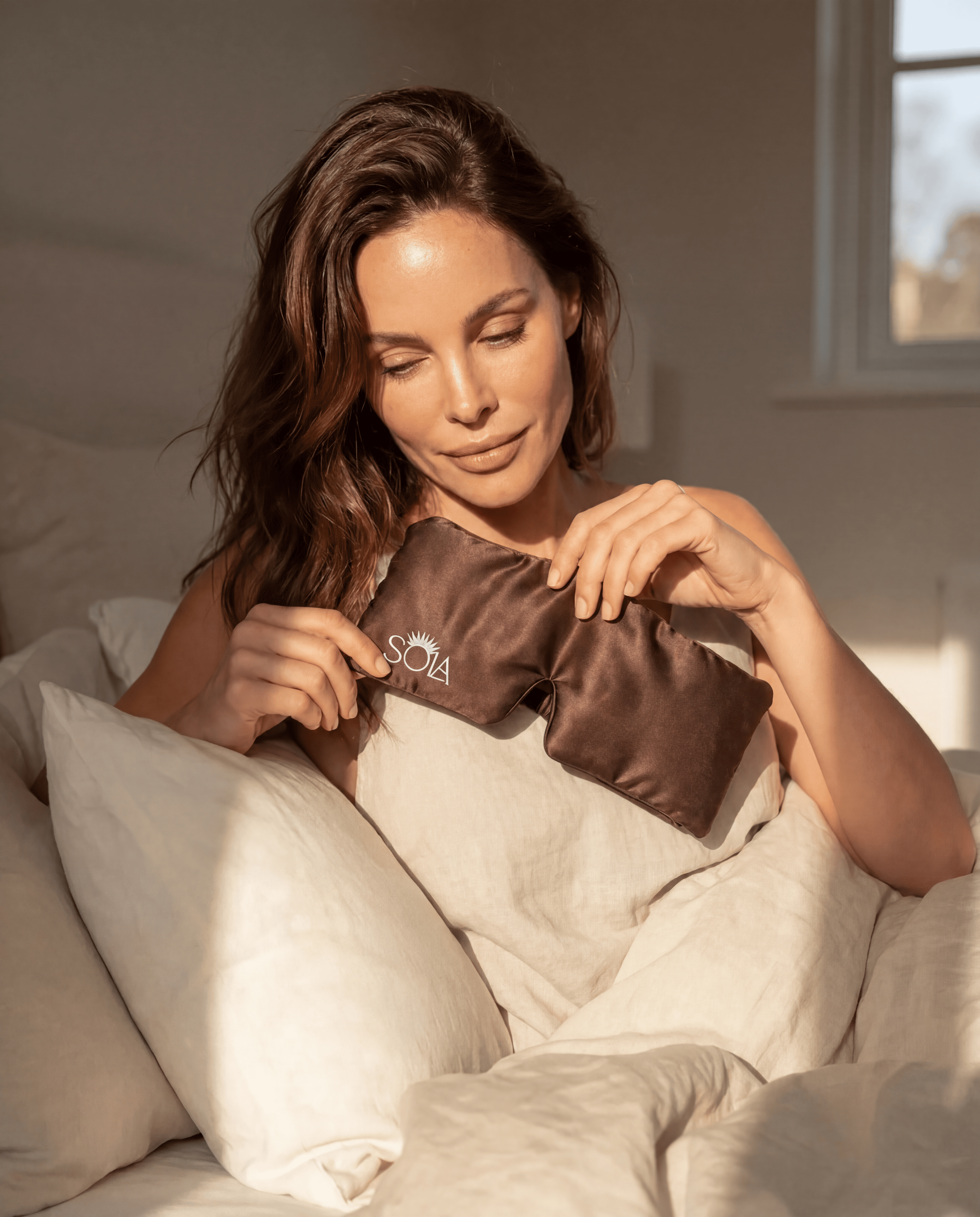
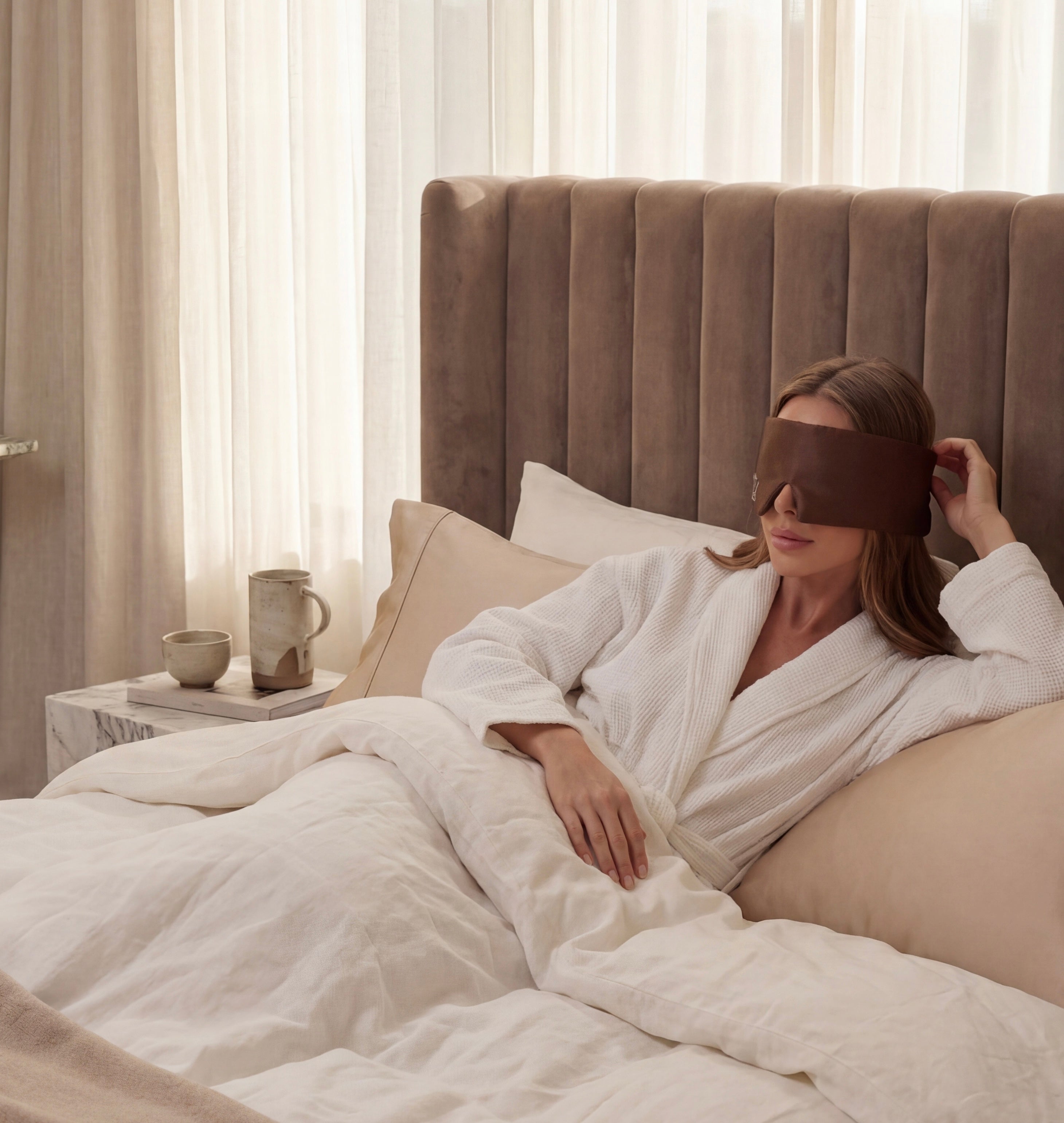
Early morning light can wake you before you are ready, and once you are awake, any slight warmth can feel amplified. A soft blackout sleep mask can help create a darker, calmer sleep space, especially for light sleepers, shift workers and travellers. This is less about heat directly and more about protecting deeper sleep so you are less vulnerable to every minor disruption.
Texture matters in a similar way. If bedding feels heavy, scratchy or clingy, you tend to notice your body more. That often translates into feeling hotter. Cooler, smoother fabrics create less friction and less fuss, which makes it easier to relax into sleep.
This is why premium sleep products can be worth it when they solve a specific problem. You are not simply buying bedding. You are shaping a sleep environment that feels lighter, calmer and easier to stay asleep in.
When one fix is not enough
Sometimes the reason overheating feels so persistent is that it has more than one cause. A warm room, heat-trapping bedding and light sleep can stack together. Change only one, and you may improve things slightly but still wake up uncomfortable.
That is why a layered approach tends to work best. Cool the room where you can. Choose more breathable bedding. Reduce unnecessary heat before bed. Support darkness and comfort so your sleep is less fragile. Small changes in each area often work better than chasing one perfect solution.
For many people, the simplest place to start is with what touches the body most closely - pillow, pillowcase, sleep surface and eye area. Those upgrades are usually easy to maintain and immediately noticeable. If you are building a cooler sleep routine gradually, that is a sensible first step.
Sola Wellness focuses on this kind of sleep environment thinking: products designed to reduce overheating, block light and bring more comfort to the night without overcomplicating bedtime.
How to stay cool at night when nothing seems to work
If you have tried the obvious fixes and still wake up hot, it may help to pay attention to patterns. Is it worse after busy days, late meals, alcohol, hormonal changes or sleeping beside a partner who runs warm? The answer is often specific to your routine, not generic.
It also helps to notice whether you are actually too hot, or whether you are waking for another reason and then becoming aware of the heat. Stress, noise and light can all wake you first. Once awake, a slightly warm room suddenly feels unbearable. In that case, cooling still helps, but better sleep may depend on addressing more than temperature alone.
A good night rarely comes from forcing sleep. It comes from creating conditions that make sleep feel natural again - cooler air, breathable layers, softer surfaces and less to fight with once your head hits the pillow. Start there, and the night often becomes much quieter.