You know the feeling. One minute you are drifting off, the next you are flipping the pillow, pushing the duvet away, then pulling it back on again at 3am. If you are searching for how to sleep cooler naturally, the answer is rarely one big fix. It is usually a series of small changes that make your whole sleep environment feel lighter, calmer and easier to settle into.
Sleeping hot is not just uncomfortable. It can interrupt deeper stages of sleep, leave you waking more often, and make mornings feel heavier than they should. The good news is that you do not need a clinical routine or a room full of gadgets to improve it. A cooler night often starts with a better setup, better materials and a gentler wind-down.
How to sleep cooler naturally starts with your sleep environment
Your bedroom does more work than most people realise. Even if your routine is solid, a stuffy room, heat-trapping bedding or too much early morning light can quietly disrupt your night.
Start with temperature. For most people, a slightly cool bedroom feels best for sleep. That does not mean turning your room icy. It means aiming for fresh rather than warm, with enough airflow to stop heat building around your body. Opening windows in the evening, keeping blinds closed during hot afternoons and using a fan to move air can all help. If you live in a city flat or somewhere with limited ventilation, this becomes even more important.
There is also a difference between room temperature and bed temperature. A room might feel fine when you get into bed, but if your bedding holds onto heat, your sleep can still suffer. This is where breathable sleep surfaces matter. Cooling fabrics and lighter layers tend to work better than heavy, dense materials that trap warmth close to the skin.
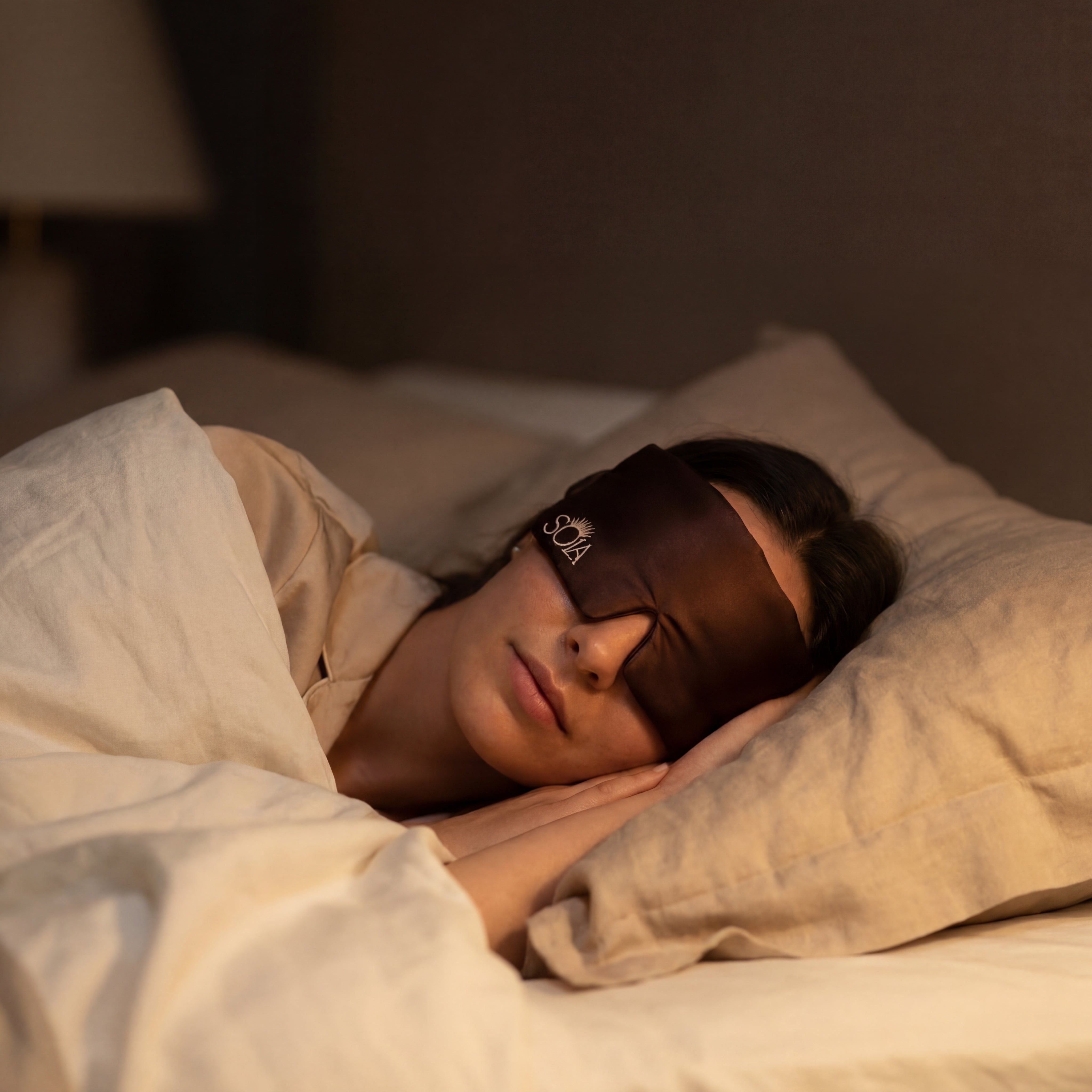
Light can make things worse too. If the room brightens early, your body may start waking before it is ready, especially in warmer months when sunrise comes early. Darkness and coolness often work best together. They create the kind of quiet, settled environment that encourages uninterrupted sleep.
Choose breathable bedding, not just less bedding
When people overheat at night, the first instinct is often to remove layers. Sometimes that helps. Sometimes it leaves you too cool by early morning and waking again. A better approach is to keep your bed breathable from the start.
Natural, moisture-wicking materials usually feel more comfortable than synthetic fabrics that hold heat. Bamboo, silk and lightweight cotton are popular for a reason. They tend to feel softer against the skin and allow more airflow, which can reduce that sticky, overheated feeling.
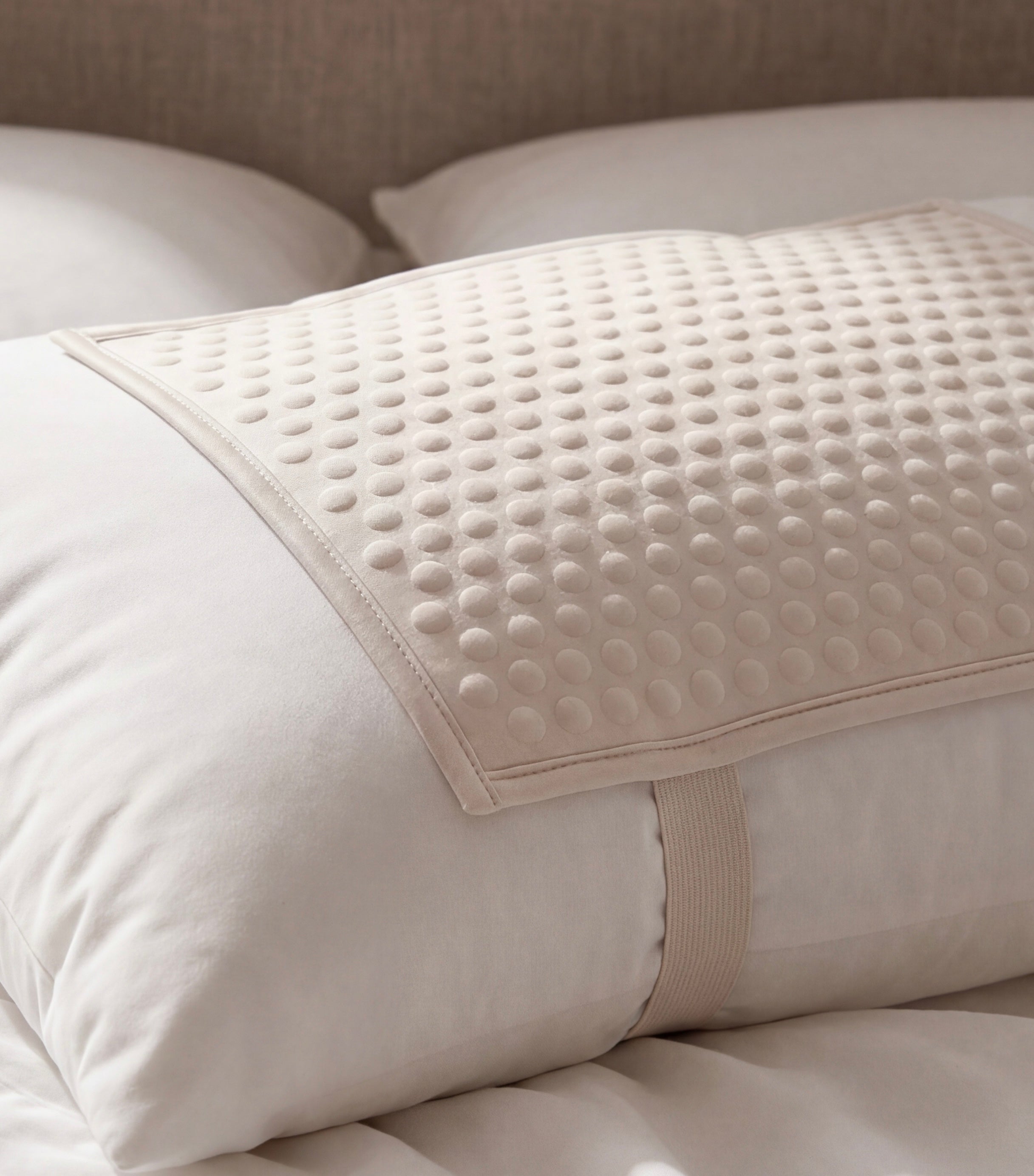
Your pillow area matters more than you might think. Heat builds quickly around the head, face and neck, and that can make your whole body feel warmer. A cooling pillow pad or breathable pillowcase can make a noticeable difference because it targets one of the hottest parts of the bed. It is a small change, but often one you feel straight away.
This is also where quality beats quantity. You do not need a pile of sleep products. You need a few well-chosen pieces that help regulate temperature without adding fuss. Premium bedding earns its place when it supports a better night, not when it simply looks good on the bed.
Your evening routine affects night-time temperature
If you want to know how to sleep cooler naturally, look beyond the bed itself. Your body carries heat into the night depending on what you eat, drink and do in the hours before sleep.
A hot shower right before bed can leave you feeling warmer for longer, especially in summer. A lukewarm shower is often a better choice. It helps you feel fresh without pushing your body temperature up. Some people find a warm shower still works because the cool-down afterwards makes them sleepy, but it depends on how quickly your body settles. If you tend to stay warm for hours, cooler is usually better.
Heavy meals late in the evening can also raise body temperature while your system digests. Spicy food and alcohol are common triggers for feeling hot at night. That does not mean you can never have them. It simply means the timing matters. If overheating is a regular problem, it is worth noticing what your warmest nights have in common.
Exercise is another one. Movement supports better sleep overall, but an intense session too close to bedtime can leave you buzzing and warm. For some people, that fades quickly. For others, it lingers well into the night. If evening workouts seem to coincide with restless sleep, shifting them earlier may help.
What to wear to sleep when you overheat
The best sleepwear is often the kind you barely notice. Tight, heavy or synthetic fabrics can make overheating worse, even in a reasonably cool room.
Look for loose, breathable materials that let air move. Lightweight cotton, bamboo and silk are all good options depending on your preference. Some people sleep cooler in long, light layers because they wick moisture and stop skin sticking to bedding. Others prefer as little as possible. It depends on how your body regulates temperature and whether you usually wake from heat, sweat or a mix of both.
If you share a bed, there is another trade-off to consider. One person may sleep warm while the other feels cold. Instead of fighting over the thermostat, try separate layers. Individual blankets or lighter bedding on one side of the bed can be a surprisingly effective fix.
Small bedroom habits that make a real difference
Cooler sleep is often about consistency. The little things you do each evening shape the conditions your body falls asleep in.
Keep heat-producing devices to a minimum. Lamps, chargers and screens all add a small amount of warmth, and in compact bedrooms that can build up. Turning off what you do not need makes the space feel calmer as well as cooler.
Try to air the bed in the morning rather than making it immediately. Letting trapped heat and moisture escape helps the bed reset before the next night. It is a simple habit, but one that supports a fresher sleep environment.
If your room gets strong afternoon sun, focus on heat prevention earlier in the day. Closing curtains or blinds before the room warms up can work better than trying to cool it down later. Once heat settles into the space, it tends to linger.
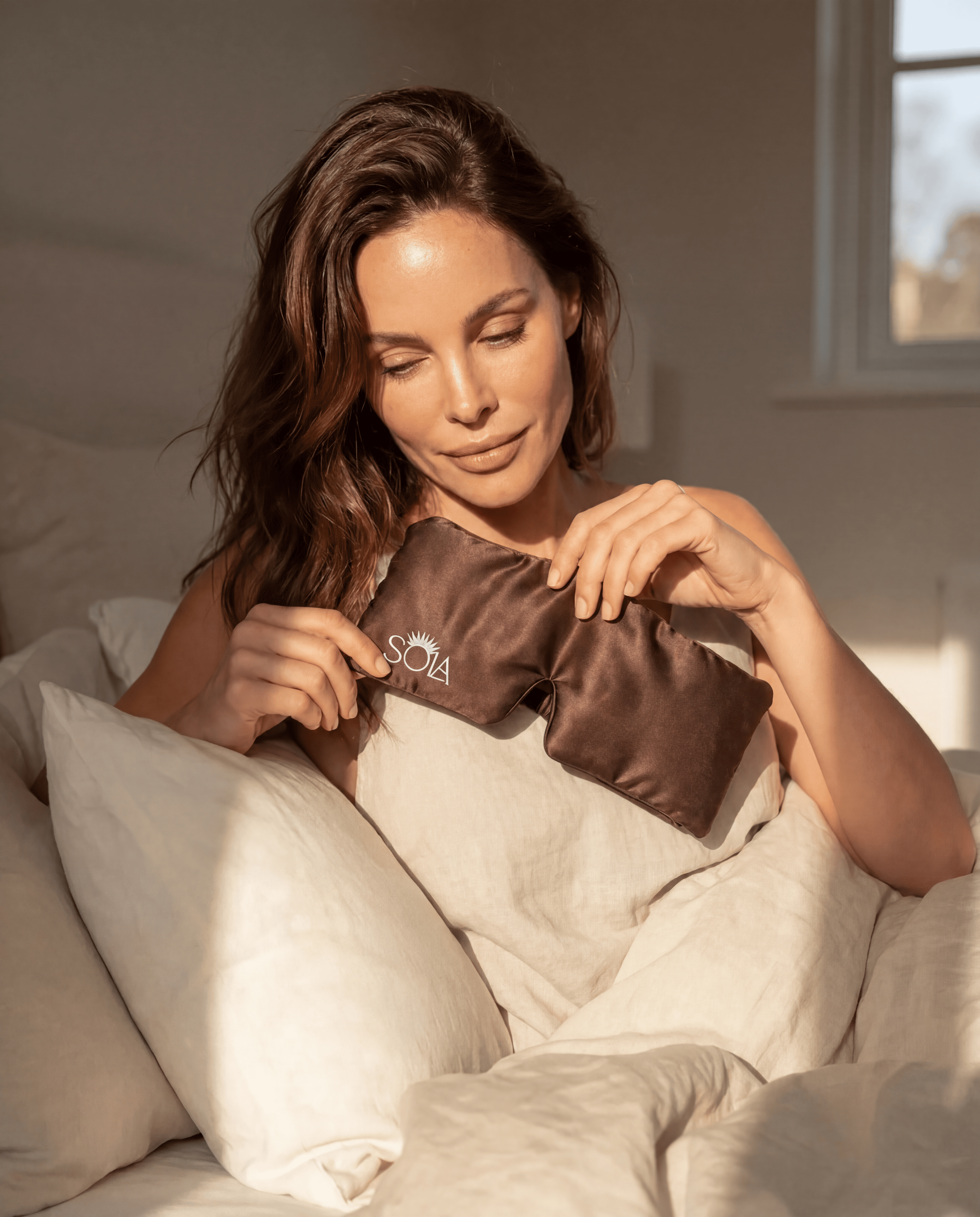
And if you travel often or work shifts, create a portable version of your routine. A silk sleep mask, breathable pillowcase or compact cooling layer can help you recreate some of the same sleep cues away from home. That consistency matters when your schedule does not.
How to sleep cooler naturally during warmer months
Summer brings its own challenges. Even people who usually sleep well can struggle when the nights feel still and heavy.
This is the season to simplify. Lighter bedding, breathable sleep surfaces and a well-ventilated room matter more than ever. Resist the temptation to pile on quick fixes that complicate bedtime. The goal is not to manage heat with effort. It is to remove the things that trap it.
Hydration can help too, but gently. Drinking enough during the day supports temperature regulation, while drinking large amounts right before bed may only lead to more wake-ups. Balance is better than overcorrecting.
If you wake hot in the early hours, pay attention to where the heat is coming from. Sometimes it is the room. Sometimes it is your bedding. Sometimes it is your head and neck overheating against the pillow. The right solution depends on the source, which is why targeted changes often work better than replacing everything at once.
For many people, this is where a curated sleep setup earns its value. Thoughtful details such as cooling pillow layers, breathable pillowcases and blackout comfort can work together to create a sleep environment that feels noticeably cooler and more settled. That is the thinking behind Sola Wellness - better sleep through better sensory conditions, not added complexity.
When natural changes help - and when it may be something more
For most hot sleepers, practical changes make a real difference. Better airflow, better fabrics and a calmer bedtime rhythm can improve comfort quickly. But if you are suddenly overheating at night without any clear reason, or it is paired with other symptoms, it may be worth speaking to a GP.
That is especially true if night sweats are frequent, intense or new for you. Sometimes sleep temperature is about the room. Sometimes it is about stress, hormones or an underlying health issue. Natural sleep support can still help, but it should not replace medical advice where needed.
The most effective sleep spaces feel effortless. Cooler air. Softer textures. Less light. Less interruption. If you have been trying to force better sleep, this is your reminder that comfort is not a luxury. It is often the thing that lets your body finally switch off.