
You can feel it the moment you get into bed. The room is too warm, the pillow is holding heat, a streak of early light slips through the curtains, and suddenly sleep feels like effort. If you are wondering how to improve sleep comfort, the answer is rarely one dramatic fix. It is usually a few well-chosen changes that make your nights feel cooler, calmer and far less interrupted.
Sleep comfort is personal, but the same three disruptors show up again and again - heat, light and physical irritation. When those are reduced, it becomes much easier to settle, stay asleep and wake feeling more restored. The goal is not to create a perfect bedroom in theory. It is to create a sleep environment that feels right for your body, your routine and the way you actually live.
How to improve sleep comfort by cooling your sleep space
For many adults, overheating is the fastest route to restless sleep. You fall asleep feeling fine, then wake at 2am flipping the pillow, kicking off the duvet or searching for the cool side of the bed. That pattern is especially common if you are a hot sleeper, share a bed, live in a warmer home or simply run warm at night.
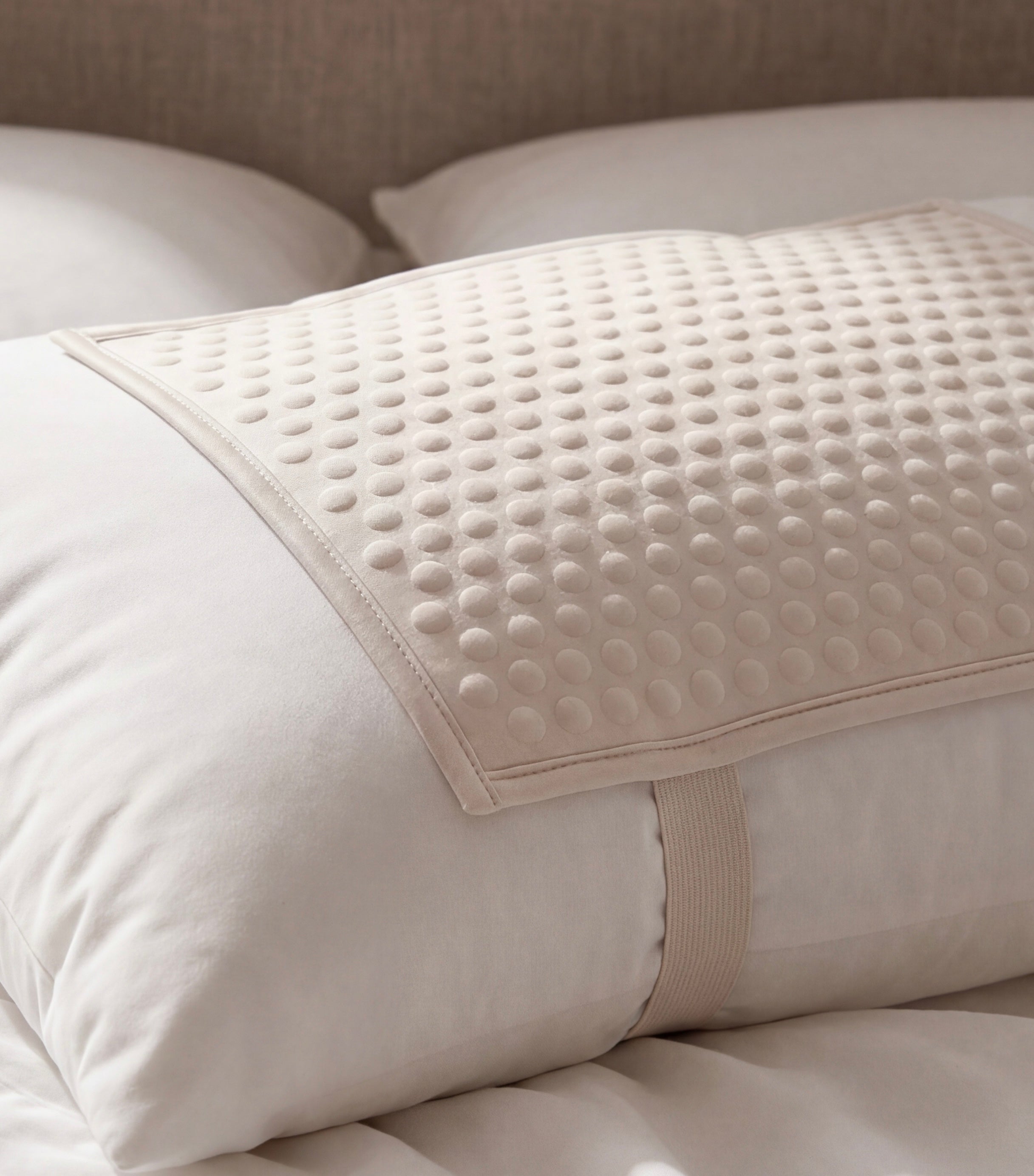
Cooling the sleep space does not always mean lowering the room temperature dramatically. Often, it is more effective to focus on the surfaces touching your skin. A breathable pillowcase, a cooling pillow pad and bedding that does not trap excess warmth can make a noticeable difference because they change the feel of the bed itself.
Materials matter here. Dense, synthetic fabrics can hold heat and leave the bed feeling stuffy. Lighter, breathable fabrics tend to feel fresher and less clingy through the night. Bamboo is a popular choice for that reason - it feels soft, airy and more comfortable if you tend to wake up warm. If heat is your main issue, start with the pillow area first. Your head and neck hold a great deal of heat, so a cooler sleep surface there can improve comfort surprisingly quickly.
There is a balance to strike. Some people think better sleep means making the bed as cold as possible, but that can feel harsh or uncomfortable, especially in winter. The aim is gentle temperature regulation, not an icy shock. Cooler, not cold.
Block light before it disrupts you
Light has a direct effect on sleep quality, but the comfort piece is often overlooked. Even low levels of light can make sleep feel lighter, more fragile and easier to break. That matters if you are a light sleeper, a shift worker sleeping during the day, or someone who wakes as soon as the room starts to brighten.
If your bedroom is never fully dark, your body may stay slightly more alert than you realise. Streetlights, electronics, hallway light under the door and early summer sunrise can all reduce that cocooned feeling that helps sleep come more easily.
This is where blackout comfort becomes genuinely useful. A well-made sleep mask can create consistent darkness without requiring you to change the whole room. It is especially helpful for travel, shared spaces or nights when your environment is not fully in your control. The key is softness and fit. If a mask feels tight, scratchy or slips around, it solves one problem while creating another. Comfort and darkness need to work together.
A silk sleep mask is often a better option than heavier alternatives because it feels smoother on the skin and gentler around the eyes. That matters more than it sounds. The less you notice what you are wearing in bed, the easier it is to relax into sleep.
Reduce the small irritations that keep waking you up
Sleep comfort is not only about dramatic problems. Often, it is the low-level annoyances that chip away at sleep over the course of a night. A pillowcase that feels rough. Fabric that twists. A pillow that gets warm too quickly. A room that feels close and stale by morning.
These things can seem minor during the day, but at night they become the difference between uninterrupted sleep and repeated waking. That is why tactile comfort matters. Softer, smoother bedding can help the body settle faster because there is simply less to react to.
If your skin is sensitive, or you are prone to feeling every crease and seam, focus on the surfaces in closest contact with you. Your pillowcase, sleep mask and top bedding layer have an outsized effect on how the bed feels. Premium materials are not about luxury for its own sake. They are useful when they reduce friction, heat and sensory distraction.
There is also a practical side to this. If you wake often and cannot pinpoint why, your sleep environment may be slightly irritating rather than obviously wrong. Improving comfort is sometimes about removing what is subtly disruptive until the room feels effortless.
Make your bed work harder for your sleep
A comfortable bed is not necessarily a heavy one, a soft one or an expensive one. It is a bed that supports your sleep style. If you tend to overheat, layered heavyweight bedding may be working against you. If you feel chilly easily, stripping everything back may leave you unsettled. This is where personal preference matters.
Start by asking a simple question: what usually wakes you? If the answer is heat, address cooling first. If it is light, prioritise blackout. If you wake with a sense of physical restlessness, look at texture, support and the way your bed is dressed.
Small changes often outperform complete overhauls because they are easier to live with. Swapping to cooling bamboo pillowcases, adding a cooling pillow pad or using a comfortable sleep mask can shift the quality of sleep without turning bedtime into a project. The best sleep setup is one you actually want to use every night.
For couples, comfort can be more complicated. One person sleeps hot, the other sleeps cold. One wants fresh air, the other wants quiet and warmth. In that case, it helps to focus on individual comfort zones. Your side of the bed, your pillow setup and your own light control can solve a lot without forcing the same solution on both people.
How to improve sleep comfort with a calmer evening routine
Your bedroom matters, but so does the transition into it. If your body is still in work mode, overstimulated or overheated from the day, even a beautiful bed can feel uninviting. Comfort starts before your head hits the pillow.
That does not mean building a complicated routine. In fact, the simpler it is, the better. Dimmer light in the evening, a slightly cooler room, less screen glare near bedtime and a few quiet minutes to decompress can make the bed feel more restful the moment you get in. The goal is to lower the sensory volume of the night.
This is particularly useful for busy professionals and anyone whose brain keeps running long after the laptop closes. Sleep comfort is partly physical, partly emotional. When the environment feels calm, soft and low-stimulation, the body tends to follow.
If you travel often or work irregular hours, consistency may be harder to maintain. In that case, portable comfort matters. A familiar sleep mask, breathable pillowcase or a few reliable sleep cues can help recreate the feeling of home, even when the room changes.
Choose fewer products, but choose better ones
A common mistake is trying to fix poor sleep with too many additions at once. Sprays, supplements, gadgets, heavy duvets, white noise, fans, new pillows - suddenly bedtime feels cluttered. More products do not always mean more comfort.
A better approach is to choose a few elements that target the most likely causes of disrupted sleep. For many people, that means darkness, cooling and softness. When those are covered, sleep tends to feel more natural and less managed.
This is where a curated approach makes sense. Rather than filling the bedroom with generic extras, focus on products that directly improve the sensory experience of sleep. At Sola Wellness, that means thoughtful solutions for the real reasons people wake up - heat, light and discomfort - without adding complexity.
The trade-off is that comfort is not one-size-fits-all. A product that feels transformative for a hot sleeper may matter less to someone whose main issue is dawn light. That is why the best upgrade is usually the one that solves your most consistent problem first.
When better sleep comfort changes everything
Improving sleep comfort can sound like a small thing, but it affects more than the night itself. When you sleep in a cooler, darker, more comfortable environment, bedtime feels less frustrating. You stop bracing for broken sleep. You start trusting your evenings again.
That shift matters. Better sleep is not only about tracking hours or chasing perfection. It is about creating conditions that support deeper rest with less effort. A softer pillowcase, a cooler surface, a darker night - these are simple changes, but they can make your whole routine feel lighter.
Start with the part of your sleep that feels most uncomfortable right now. Make that one thing better. Often, that is where deeper sleep begins.