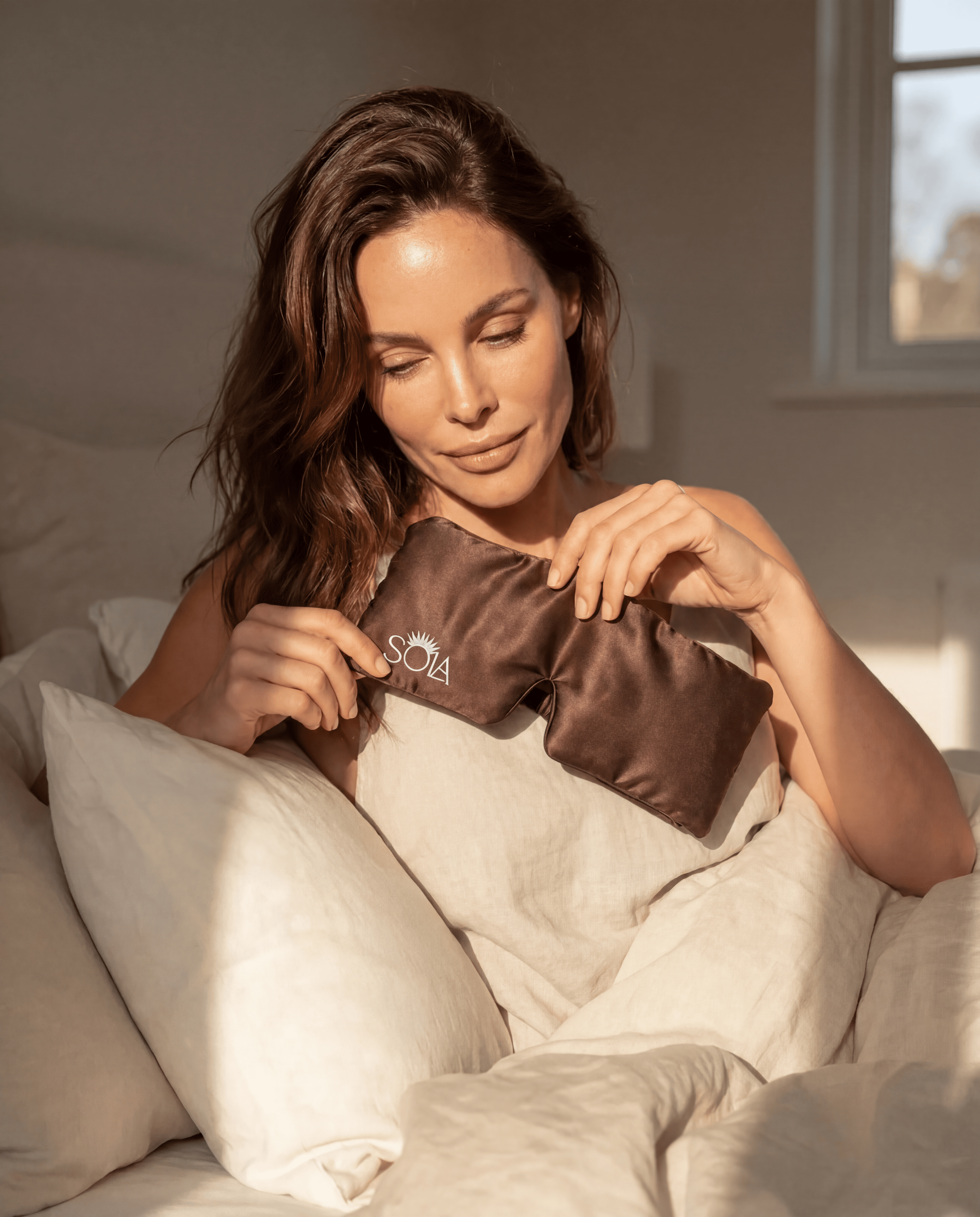
You do not usually notice your pillow until it starts working against you. If you wake in the early hours with a hot face, damp hairline or that frustrating flip-to-the-cool-side routine, a cooling pillow pad for night sweats can make a real difference. It is a simple change, but for many hot sleepers, it is one of the fastest ways to create a cooler, calmer sleep surface without replacing the whole bed.
Night sweats can turn a good bedtime routine into broken, restless sleep. The room might be fine. Your duvet might even be light enough. But if heat builds around your head and neck, it can be enough to pull you out of deeper sleep again and again. That is why the right pillow setup matters more than many people realise.
Why heat around the pillow disrupts sleep
Your head and neck are small areas, but they have a big impact on comfort. When your pillow traps warmth, the heat sits close to your skin instead of dispersing. Sweat follows, then discomfort, then waking. Even brief wake-ups can leave you feeling less restored in the morning.
This is especially common for hot sleepers, people going through hormonal changes, shift workers sleeping at odd hours, and anyone in a warm home or shared bed. The issue is not always extreme sweating. Sometimes it is simply persistent overheating that keeps sleep lighter than it should be.
A pillow is also different from the rest of your bedding because your face is in direct contact with it for hours. If the fabric feels stuffy or the inner layer holds heat, you notice it quickly. Cooler contact at the pillow surface can help your whole bed feel more balanced.
What a cooling pillow pad for night sweats actually does
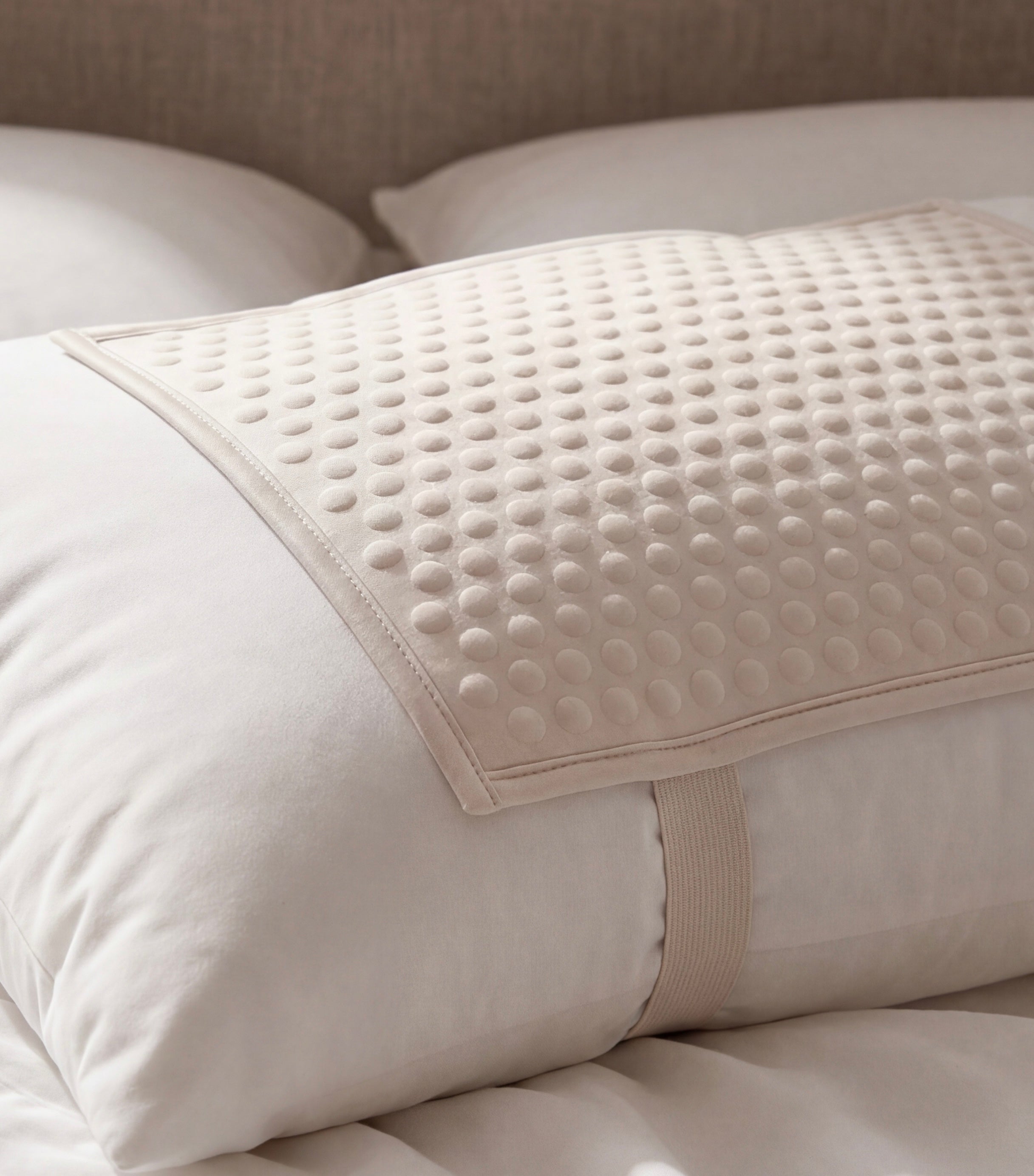
A cooling pillow pad for night sweats sits over or just beneath your pillowcase and is designed to reduce heat build-up where you feel it first. The aim is not to make the pillow icy cold. It is to create a fresher surface that stays comfortable for longer through the night.
The best designs work by drawing heat away from the skin, improving airflow, or using breathable materials that do not cling to warmth and moisture. Some pads feel cool on contact. Others are less dramatic at first touch but perform better over several hours. That difference matters.
If you have tried cooling products before and felt underwhelmed, this may be why. Instant coolness can feel impressive for ten minutes, but if the material then traps heat, the benefit fades. A better cooling pad focuses on sustained comfort rather than a short-lived chill.
How to choose the right cooling pillow pad
Materials come first. Breathable, moisture-managing fabrics tend to feel more comfortable than heavily coated or plasticky finishes. If the surface feels smooth, light and airy, you are more likely to keep the cooling benefit through the night. Bamboo-derived fabrics, silk-adjacent softness and other soft-touch materials often appeal because they feel gentle against the skin as well as cooler.
Thickness also matters. A pad that is too bulky can interfere with the support of your pillow. That may leave your neck at an awkward angle, which solves one problem and creates another. A slimmer profile usually works best, particularly if you already like the feel of your current pillow.
Fit is worth checking too. If the pad shifts about while you sleep, it becomes distracting. You want something that sits neatly and stays in place under your pillowcase or directly on the pillow surface, depending on the design.
Finally, think about care. Night sweats mean more frequent washing, so an easy-care option is often the better long-term choice. If it is fiddly to clean or takes too long to dry, you may stop using it consistently.
The feel matters as much as the function
Cooling products often get judged on temperature alone, but comfort is more layered than that. The surface should feel soft enough for nightly use, especially if you sleep on your side and press one cheek into the pillow. A cool fabric that feels stiff or synthetic can be hard to settle into.
That is why premium sleep accessories tend to perform best when they balance several things at once - cooling, softness, breathability and ease. Better sleep rarely comes from one feature in isolation. It comes from an environment that feels supportive from the moment you lie down.
Cooling pillow pad vs cooling pillowcase
These two are often treated as the same thing, but they solve the problem in slightly different ways. A cooling pillowcase changes the outermost layer of the pillow. It can improve softness, airflow and that first-touch feel. A cooling pad adds an extra layer of temperature regulation and can boost the effect of your pillowcase.
If your night sweats are mild, a breathable cooling pillowcase may be enough. If you regularly wake feeling overheated around your head or neck, a dedicated pad often gives more noticeable relief. Many people get the best result from using both together.
It depends on your sleep habits as well. If you move a lot in your sleep or often flip the pillow to find a cooler patch, a pad can help create more consistent comfort across the whole surface. If your main issue is irritation from heavy fabric, the pillowcase may be the bigger upgrade.
When a cooling pillow pad works best
The biggest gains usually come when the pad is part of a cooler sleep setup overall. If your duvet is too warm, your bedroom is stuffy and your pillowcase is not breathable, a cooling pad will help, but only to a point. It works best as one part of a more considered sleep environment.
This is where layering matters. A breathable pillowcase, lighter bedding and reduced bedroom heat all support the result. You do not need to overhaul everything at once, but it helps to think in terms of small changes that work together.
For many people, the pillow area is still the best place to start. It is targeted, easy to update and often more affordable than replacing a mattress or changing the whole bed. If overheating is disturbing your sleep, starting where heat feels most immediate is usually the simplest move.
Signs your current pillow setup is too warm
Some signs are obvious, like waking with a sweaty pillow or constantly turning it over for a cooler side. Others are easier to miss. If you fall asleep tired but wake feeling oddly alert at 3am, or your face feels flushed when the rest of the room seems comfortable, trapped pillow heat may be part of the issue.
You might also notice that sleep feels better in winter than summer, even when your routine stays the same. Or perhaps hotels with crisp, breathable bedding feel easier to sleep in than your bed at home. These are small clues, but they often point to the same problem - too much retained warmth around your sleep surface.
A calmer way to sleep cooler
There is no single fix for every kind of night sweat. If overheating is linked to hormones, stress, medication or your sleep environment, the right answer may look slightly different for each person. But comfort still matters. A well-made cooling pillow pad is not a dramatic gimmick. It is a practical upgrade that can make falling asleep easier and staying asleep more likely.
For anyone building a more restful bed, this is one of those quiet changes that earns its place quickly. Cooler touch. Less dampness. Fewer wake-ups. If that sounds like the kind of sleep you have been missing, it may be time to look more closely at what is happening on your pillow, not just under your duvet.
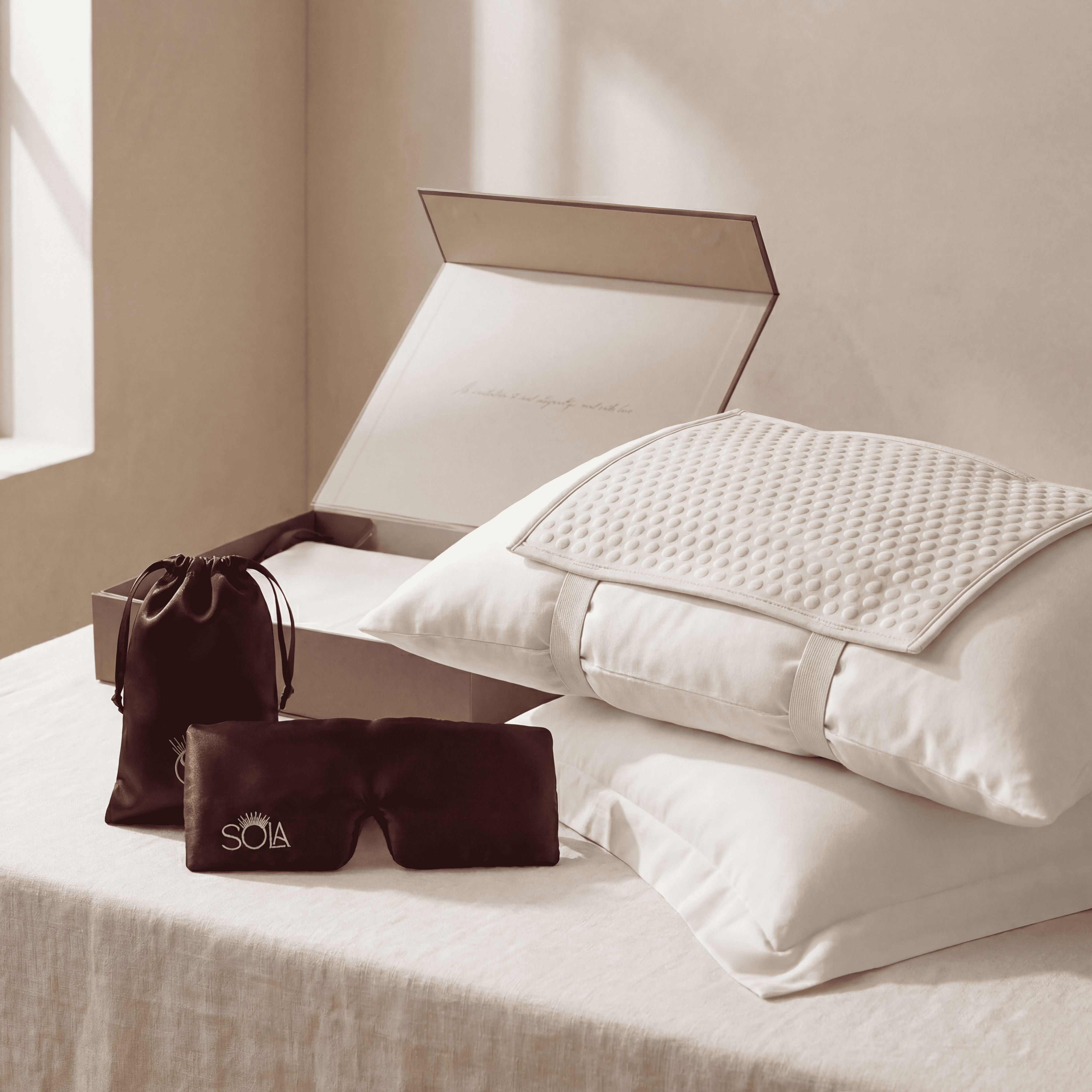
At Sola Wellness, that is the thinking behind a curated sleep setup - fewer distractions, better materials and a bedroom that feels designed for uninterrupted rest. Sometimes deeper sleep starts with the smallest layer.