A warm bedroom can turn even the best bedtime routine into a restless night. If you regularly wake up sticky, throw off the covers, then pull them back on an hour later, cooling bedding for summer sleep can make a real difference. The right materials help your bed feel lighter, drier and far more comfortable, so sleep comes easier and stays undisturbed.
Why summer bedding matters more than people think
When your body is trying to settle into sleep, temperature plays a bigger role than most people realise. You do not need your bedroom to feel icy cold, but you do need your sleep space to stop working against you. Heat trapped around your head, neck and body can lead to more tossing, more waking, and that frustrating half-sleep where you never quite switch off.
This is where bedding choices matter. Heavy fabrics, synthetic blends and dense layers can hold warmth and moisture close to the skin. Even if your room is reasonably cool, your bed can still feel overheated. In summer, that gap becomes much more noticeable.
Cooling bedding is not about gimmicks or making your bed feel cold on contact for five minutes. It is about helping excess heat and humidity escape instead of building up through the night. That creates a calmer sleep environment - cooler, drier and easier to settle into.
What cooling bedding for summer sleep should actually do
Good cooling bedding for summer sleep is less about a single miracle product and more about how your sleep setup behaves as a whole. Ideally, it should breathe well, manage moisture and avoid trapping heat in the places you feel it most.
Breathability is the first part. Natural and temperature-aware fibres allow air to circulate more freely, which helps prevent that stuffy, insulated feeling. Moisture management matters just as much. If you sweat during the night, fabrics that wick moisture away from the skin can stop clamminess from building.
The final piece is contact comfort. Your pillowcase, pillow surface and top layers sit directly against your skin for hours. If they feel smooth, breathable and dry, your whole bed feels more balanced. If they feel warm and airless, sleep can become a cycle of micro-disruptions.
The fabrics worth looking for
Not every material marketed as cooling performs the same way. Some feel cool at first touch but lose that benefit quickly. Others deliver more consistent comfort over the course of the night.
Bamboo is a strong option for summer because it tends to be soft, breathable and moisture-managing. It works especially well in pillowcases, where heat and perspiration often build first. For people who wake with a hot face or warm neck, that difference can be immediate.
Silk can also be a smart choice, especially for sleep accessories that sit close to the eyes and skin. It feels light, smooth and less oppressive than heavier fabrics, while adding a more elevated, comfortable sleep experience. It is not a replacement for every cooling layer in your bed, but it complements them well.
Cotton can work, though it depends on the weave and weight. Crisp, lightweight cotton is generally better for summer than thick brushed cotton or flannel-style finishes. Linen is highly breathable too, though some sleepers love its texture and others never quite warm to it. This is one of those areas where preference matters.
Synthetic fabrics are more mixed. Some are engineered for cooling, but many common polyester-heavy options tend to trap heat and moisture. If you often sleep hot, this is where small changes can make a big difference.
Start with the areas that overheat first
If your whole bed feels too warm, it is tempting to think you need to replace everything. Often, you do not. The smartest place to start is with the zones where heat builds fastest.
Your pillow area
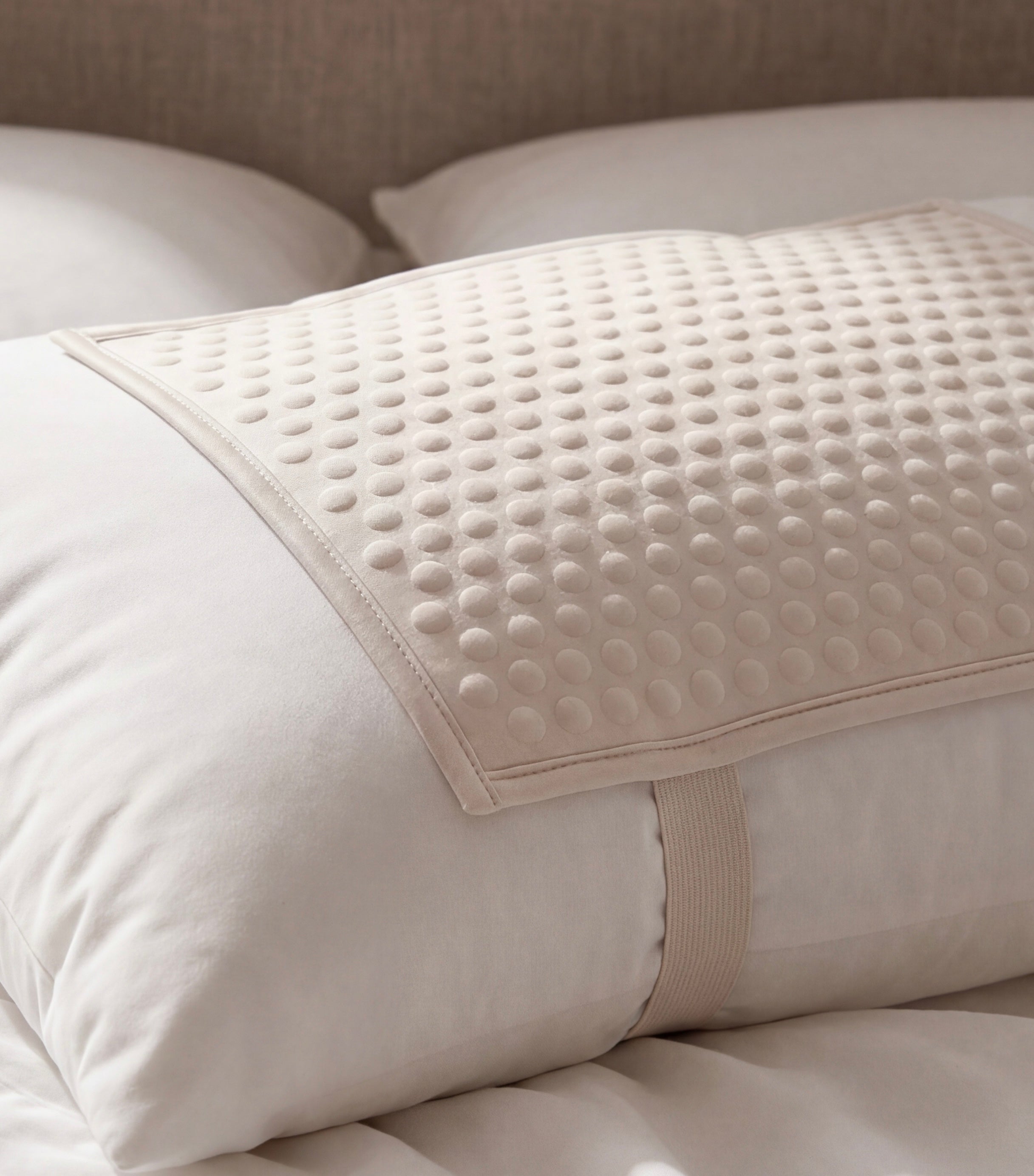
The head, face and neck are often the first places to feel uncomfortably warm. If your pillow holds heat, the rest of your bed can feel warmer by association. A cooling pillow pad can help create a more temperature-balanced surface without changing your entire mattress or pillow setup.
Pairing that with breathable pillowcases makes the effect more noticeable. Cooling bamboo pillowcases, for example, can feel fresher against the skin and help reduce that overheated, slightly damp feeling that leads to disturbed sleep.
Your top layer
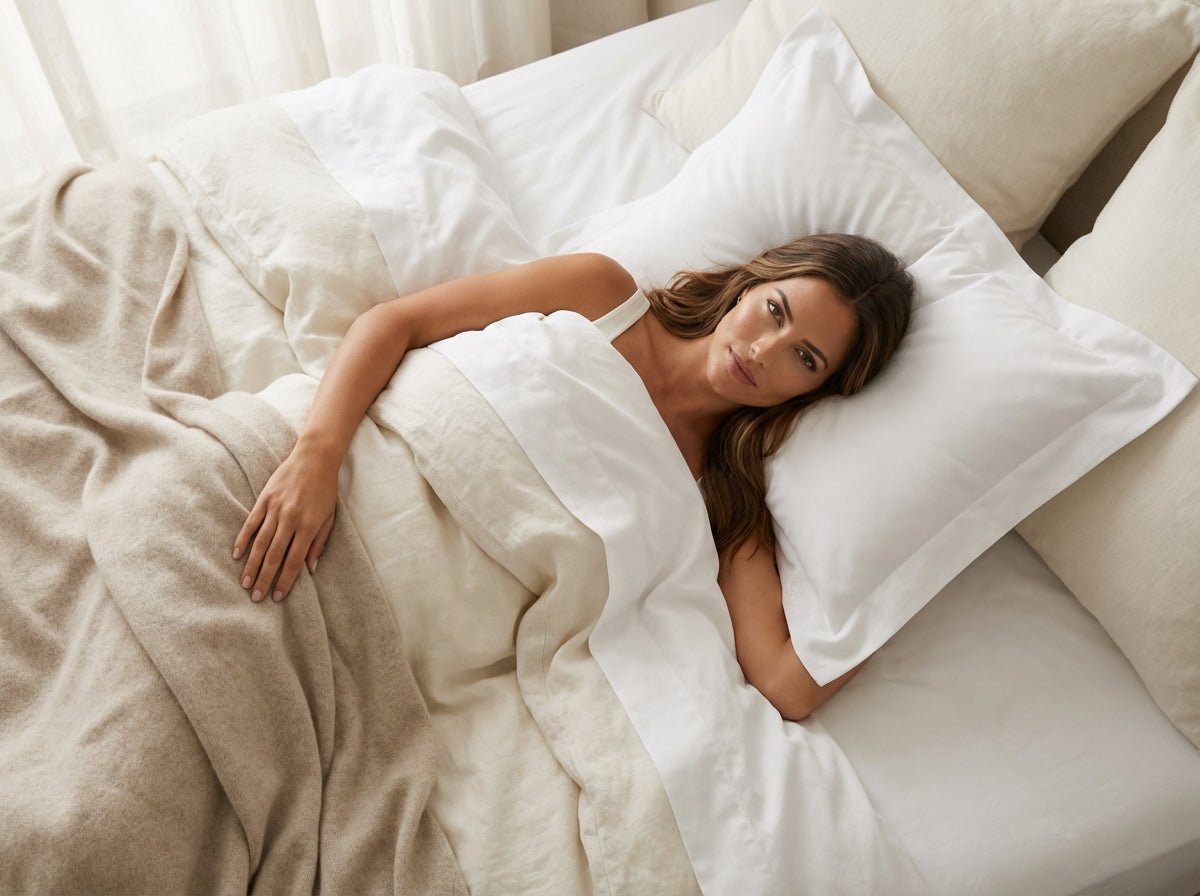
In summer, many people still want the comfort of being covered. The answer is not always sleeping with no bedding at all. Often, a lighter, more breathable top layer works better than constantly switching between being too hot and too cool. If your duvet is dense or heat-retentive, replacing it seasonally can help more than adjusting the thermostat again and again.
Light and sensory comfort
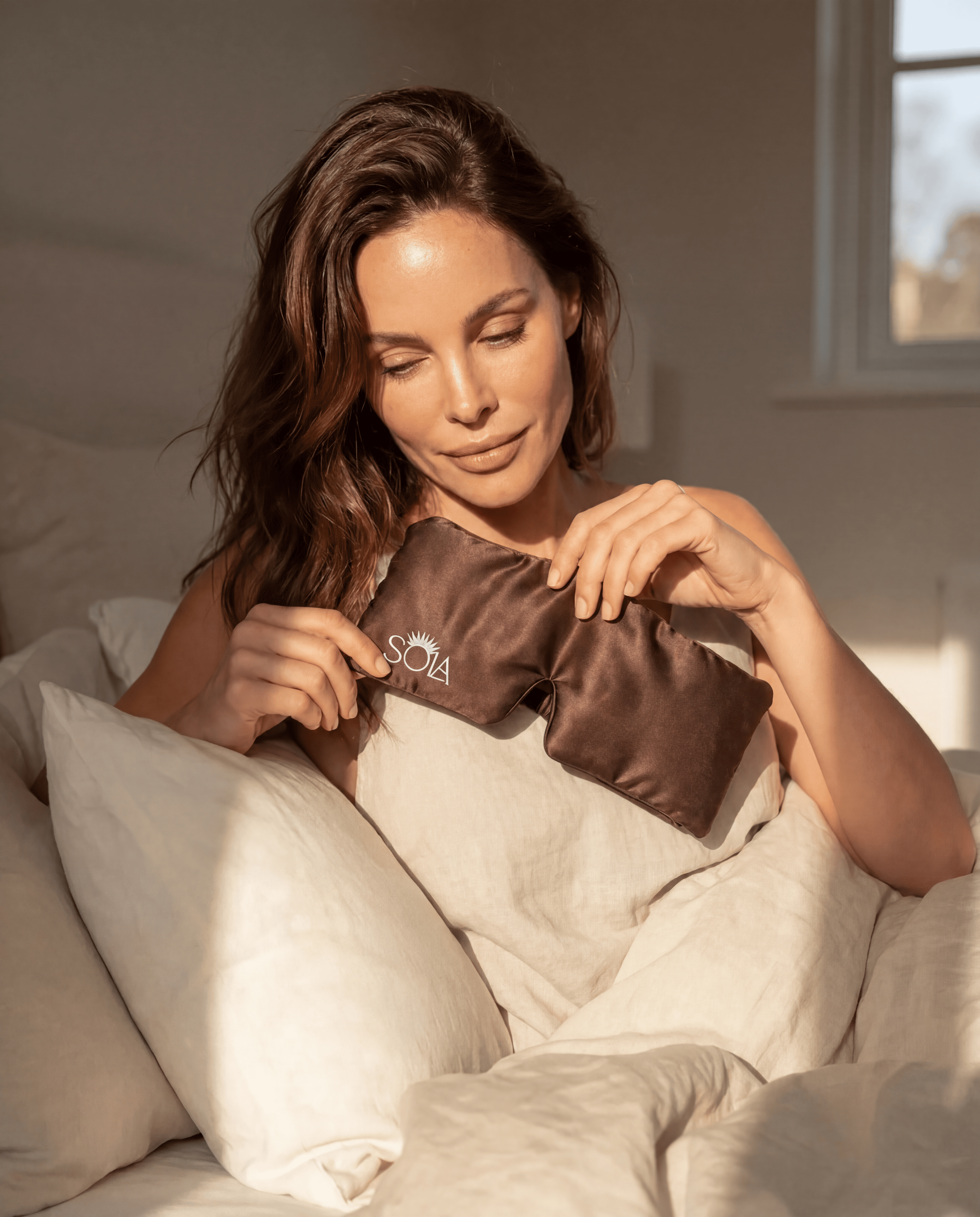
Heat is not the only summer sleep disruptor. Early sunrise and lighter mornings can pull you out of sleep before you are ready, especially if you are already sleeping lightly due to warmth. A silk sleep mask does not cool your whole bed, but it can help protect sleep quality by reducing light exposure and creating a calmer sensory environment.
How to build a cooler sleep setup without overcomplicating it
The best summer bed feels intentional, not stripped back. You want enough comfort to feel cocooned, but not so much that your body fights through layers of warmth all night.
Start by looking at what touches your skin most often. Pillowcases, pillow surfaces and sleep masks all have a direct effect on comfort. These are often the easiest upgrades and, for hot sleepers, some of the most noticeable.
Then look at layering. A breathable fitted sheet and a lighter top layer usually work better than keeping winter-weight bedding on the bed and trying to cope. If your mattress itself sleeps warm, a cooling layer at pillow level can still help target the hottest pressure points.
There is also a practical point here: more expensive does not always mean cooler. A premium sleep environment should feel considered and effective, not excessive. Choose pieces that solve a real problem - overheating, brightness, discomfort - rather than chasing every trend labelled as cooling.
Cooling bedding for summer sleep is not one-size-fits-all
Some people run hot all year. Others only struggle during humid spells or short heatwaves. That affects what kind of bedding will feel worth it.
If you wake drenched or frequently flip your pillow over for the cool side, focus on high-contact cooling products first. Pillowcases and pillow pads tend to deliver fast, tangible comfort. If your issue is feeling smothered under the covers, your duvet and top layers may be the bigger culprit.
There are trade-offs too. Linen is airy but not everyone likes the texture. Silk feels luxurious and gentle, but it works best as part of a broader sleep setup rather than your only cooling measure. Bamboo often lands in the sweet spot for softness and breathability, especially for people who want cooling comfort without a crisp or coarse feel.
It also depends on your room and routine. If your bedroom gets full evening sun, poor airflow or very early morning light, bedding alone may not solve everything. But it can still make the sleep you do get feel deeper and less interrupted.
Small changes can improve sleep faster than you expect
People often put up with poor summer sleep because it feels temporary. They assume they just need to wait for cooler weather. But weeks of light, broken sleep can affect your mood, concentration and patience more than you think.
That is why focused sleep accessories can be so effective. You do not always need to reinvent your bedroom. Sometimes the right combination - a cooling pillow pad, breathable bamboo pillowcases, a soft silk sleep mask - is enough to shift your nights from restless to restorative.
For anyone building a cooler sleep routine, Sola Wellness keeps that approach refreshingly simple. The collection is designed around common sleep disruptors, with products that help reduce overheating, block light and bring more comfort to the hours that matter most.
A cooler bed does more than feel nicer at bedtime. It gives your body less to fight against, so sleep can become what it should be - quiet, comfortable and uninterrupted. If summer nights have been leaving you drained, start with the layers closest to you. The difference may be softer than dramatic, but that is often exactly what better sleep feels like.