If you sleep on your side, a bad sleep mask makes itself known within minutes. It shifts when your cheek presses into the pillow, lets in light at the edges, or digs in just enough to keep you aware of it. The best sleep mask for side sleepers should do the opposite - feel barely there, stay comfortably in place, and create real darkness without adding pressure.
That sounds simple, but side sleepers need more from a mask than most people realise. Your sleep position changes how a mask sits across the bridge of the nose, temples and cheekbone. What feels soft when you are lying on your back can suddenly feel bulky when one side of your face is pressed into the pillow. If you are also a light sleeper, hot sleeper, shift worker or frequent traveller, the wrong mask can become one more thing getting in the way of deep rest.
What side sleepers should look for in the best sleep mask
The first thing that matters is profile. A slim, low-bulk design tends to work better for side sleepers because there is less material to bunch, slide or create pressure where your face meets the pillow. Thick contoured masks can work well for some people, especially if they want more space around the eyes, but they are often better suited to back sleepers. On your side, extra structure can push the mask out of place.
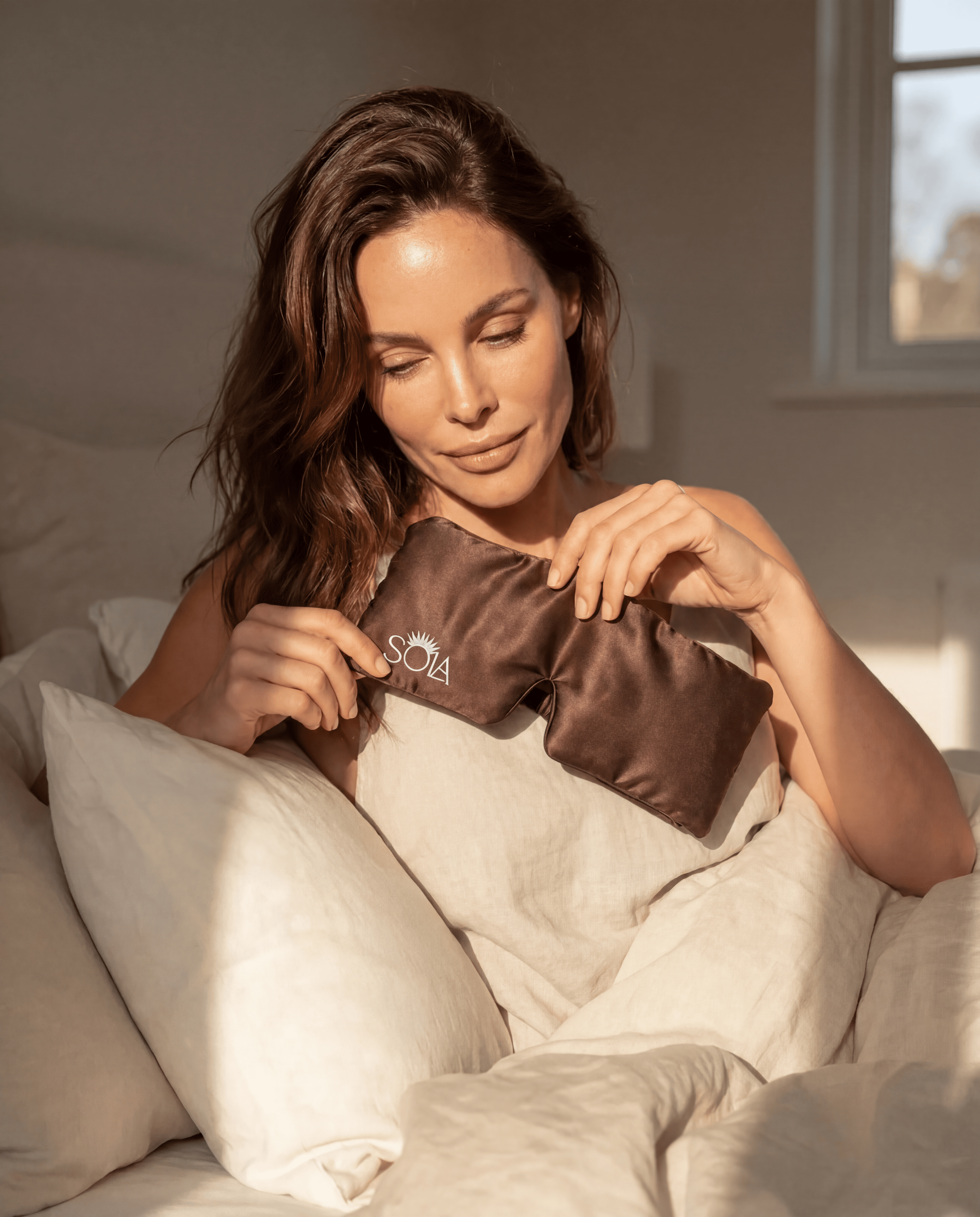
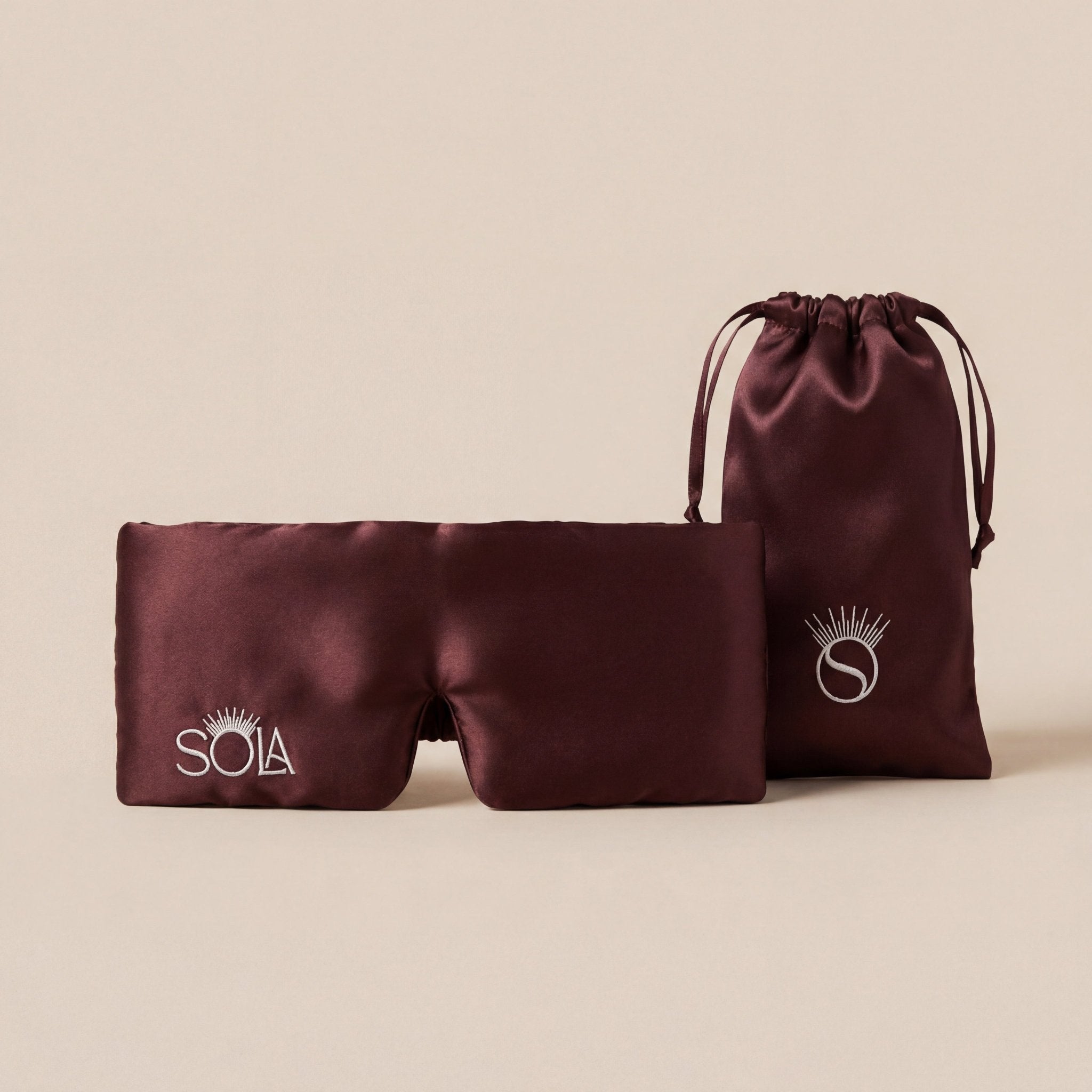
Fabric matters just as much. Soft, smooth materials help the mask move gently with you rather than rubbing against the skin. Silk is especially appealing here because it feels light, cool and less intrusive through the night. If your current mask leaves marks, catches on skincare, or feels warm by 3am, the fabric may be part of the problem.
Then there is blackout performance. A sleep mask is not just a comfort accessory. For many people, it is the easiest way to reduce one of the biggest sleep disruptors - light exposure. Early summer sunrises, streetlights, glowing hallways and late-night travel all make it harder to settle and stay asleep. For side sleepers, a mask needs to block light without relying on stiff padding around the nose or oversized cups that can press awkwardly into the face.
The final piece is the strap. Too tight and it creates tension around the head or pulls at the ears. Too loose and the mask slides as soon as you turn over. Side sleepers usually do best with an adjustable, flat strap that feels secure without feeling noticeable.
Why many sleep masks fail side sleepers
A lot of masks are designed with a general sleeper in mind, not a side sleeper specifically. That means they may look plush and comfortable but fall short once pressure enters the picture. A mask can be beautifully soft at first touch and still be wrong for your sleep position.
One common issue is thickness. Memory foam styles and heavily padded masks can feel luxurious, but they often create too much lift between the face and pillow. As soon as your head turns, the mask shifts, gaps open at the edges, and light starts creeping in.
Another issue is shape. Some masks are wide across the temples or high over the cheekbones, which increases the chance of rubbing and movement. If you wake up needing to readjust your mask in the night, that is usually a sign the shape is fighting your natural sleep position rather than supporting it.
Heat can be a hidden problem too. Side sleepers already have one side of the face against a pillow for hours. Add a warm or non-breathable mask and the whole sleep environment can start to feel stuffy. If you tend to overheat, choose materials that feel cool and breathable against the skin.
The features that make a real difference
For side sleepers, comfort is rarely about one dramatic feature. It is usually the combination of small, thoughtful details that creates uninterrupted sleep.
A smooth finish helps reduce friction, especially if you move in your sleep. A gently shaped nose area improves blackout without needing heavy structure. Lightweight materials make the mask easier to forget about once you are in bed. And a secure but flexible strap helps the mask stay aligned, even if you switch from one side to the other overnight.
This is where premium materials often justify themselves. The difference is not just in how a mask looks, but in how little it demands from you. When a sleep mask feels cool, soft and unobtrusive, it becomes part of the background. That is exactly what you want.
Best sleep mask for side sleepers: silk, contoured or padded?
If your priority is the softest possible feel with minimal bulk, silk is often the best place to start. A well-made silk mask offers softness, lightness and a naturally smoother finish, which can be especially helpful if your skin is sensitive or your sleep is easily disturbed by texture. For many side sleepers, this balance of comfort and simplicity works better than anything heavily engineered.
Contoured masks can suit side sleepers who dislike fabric touching the eyelids, but they are more hit and miss. If the contour is too pronounced, it can push unevenly into the pillow and shift the mask out of place. If you are tempted by this style, choose a low-profile version rather than anything deep or rigid.
Heavily padded masks are usually the least side-sleeper-friendly. They can feel cosy when you first put them on, but that extra padding often becomes the problem once pressure builds on one side. Unless you sleep mostly on your back and only occasionally turn to the side, slimmer designs tend to be the safer choice.
How to know if your current mask is the problem
Sometimes poor sleep gets blamed on stress, temperature or routine when your mask is quietly making things worse. If you wake with indentations around the eyes, feel pressure near the temples, notice light leakage when you roll onto your side, or take the mask off in the middle of the night, it is probably not the right fit.
You should not have to choose between darkness and comfort. The best sleep mask for side sleepers gives you both. It should support better rest without creating a new source of irritation.
This is also worth considering if you have already improved other parts of your sleep setup. You may have breathable bedding, a cooler bedroom and a consistent wind-down routine, but if early light still wakes you or your mask keeps shifting, there is still a gap in your environment.
Choosing a sleep mask that fits into your wider sleep routine
A good mask works even better when the rest of your sleep environment supports it. If you are sensitive to heat, pair blackout comfort with cooling fabrics and breathable bedding. If you travel often or work irregular hours, choose a mask that feels easy to pack, easy to wear and reliable in unfamiliar spaces.
That is often why people move away from cheap, generic sleep accessories and towards a more considered setup. Better sleep usually comes from reducing several small disruptions at once - light, heat and discomfort - rather than chasing one dramatic fix.
At Sola Wellness, that thinking shapes the collection. The goal is simple: cooler, calmer, uninterrupted sleep through products that feel good to use and easy to live with.
So what is the best choice?
For most side sleepers, the best option is a lightweight blackout mask in a soft, breathable fabric with a slim profile and adjustable fit. In practice, that often means choosing a silk sleep mask over anything bulky, stiff or overbuilt.
If you want your mask to feel cool, stay comfortable against the pillow, and block light without pressing into the face, keep your criteria focused. Look for softness, blackout coverage, low bulk and a secure fit. Skip anything that feels too thick, too warm or too complicated.
Sleep accessories should make the night feel easier, not fussier. When your mask fits properly, the room fades away, your body settles faster, and sleep feels less interrupted by the small things. Sometimes the difference between restless and restorative is not more effort - just the right layer of comfort, exactly where you need it.